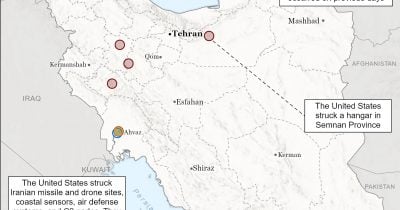
Iran's IRGC Aerospace Force commander has vowed continued strikes near the Strait of Hormuz, a narrow waterway that handles about a fifth of the world's oil. Crypto markets are paying close attention — earlier rounds of similar tensions already knocked $80 billion off digital asset values. The threat of more disruption is keeping traders on edge this week.
The latest threat
In a statement carried by Iranian state media on July 18, the commander of the Islamic Revolutionary Guard Corps' Aerospace Force said strikes near the Strait of Hormuz would continue. He didn't specify a timeline or target, but the message was clear: Iran isn't backing down. The strait is a critical chokepoint for global energy shipments, and any military activity there tends to rattle markets far beyond oil.
Crypto's $80 billion lesson
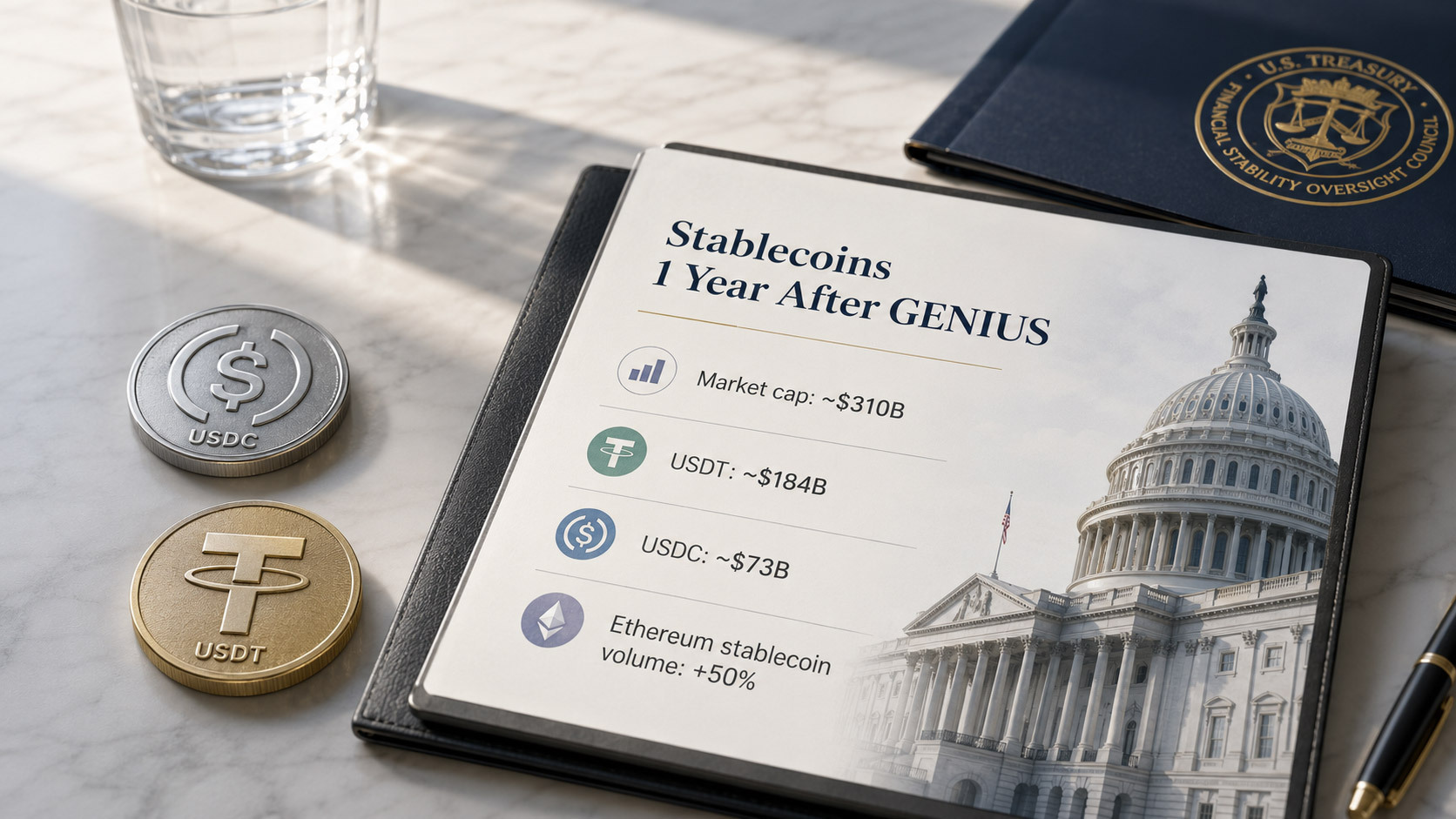
This isn't the first time Hormuz tensions have hit crypto. During a previous flare-up, the combined market cap of all digital assets dropped by roughly $80 billion in a matter of days. Bitcoin and ether both took sharp hits, and stablecoin volumes spiked as traders rushed to safety. The memory of that wipeout is fresh — and the commander's vow suggests a repeat could be in the cards.
Why the strait matters
The Strait of Hormuz connects the Persian Gulf to the Gulf of Oman. About 20 million barrels of oil pass through it daily. When Iran threatens that route, energy prices jump. And because crypto has become increasingly correlated with traditional risk assets, a spike in oil volatility often spills over into digital markets. The IRGC's Aerospace Force — the branch responsible for Iran's missile and drone programs — has the capability to strike ships or infrastructure near the strait.
What traders are watching
Right now, the focus is on whether the strikes actually escalate. The commander's language was belligerent but vague. Some traders are hedging with options, while others are moving funds to cold storage. The key question: will the next round of strikes be bigger than the last? The IRGC has shown it can disrupt shipping without triggering a full-blown conflict. That uncertainty is exactly what markets hate.
The next concrete event to watch is any official response from the U.S. Navy's Fifth Fleet, which patrols the region. If Washington sends more warships, the risk premium on crypto could rise again. For now, the market is holding its breath.