Morgan Stanley has put a number on Bitcoin's place in the world's money. According to the investment bank, Bitcoin currently accounts for just 2% of the global money supply. That's a small slice — but the firm sees room for it to grow.
The 2% figure
The estimate comes from Morgan Stanley's research division. It measures Bitcoin's market capitalization against broad money aggregates, including cash, checking deposits, and other liquid assets. At 2%, Bitcoin is still a niche player in the global financial system. But the bank notes that its market penetration is limited, which leaves the door open for expansion.
Growth potential
Morgan Stanley sees significant growth potential for Bitcoin. The reasoning is straightforward: if a digital asset that's been around for over a decade still only holds 2% of the money supply, there's a lot of room left to run. The bank's analysts point to increasing institutional adoption and evolving infrastructure as factors that could push that share higher over time.
Risks ahead
It's not all upside. Morgan Stanley also flags regulatory and liquidity risks that could impact Bitcoin's future trajectory. Regulatory uncertainty remains a key concern — different jurisdictions are taking different approaches, and a sudden crackdown in a major economy could rattle the market. Liquidity risk is another factor: Bitcoin markets can still get thin during stress events, making large trades harder to execute without moving the price.
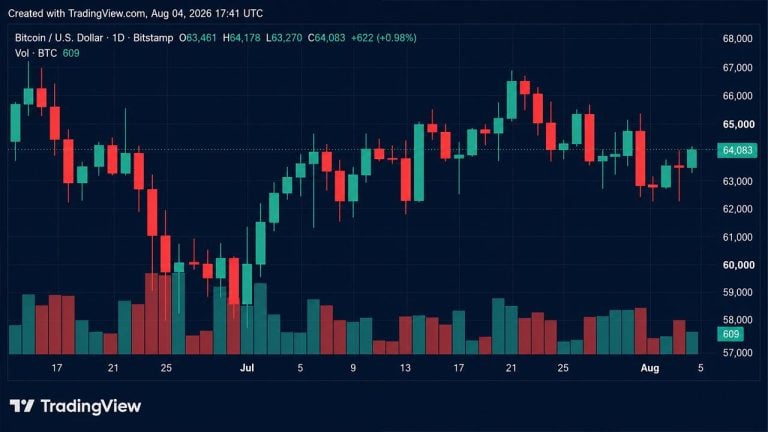
The timing of the note matters. With Bitcoin trading near recent highs and more traditional finance players dipping their toes in, Morgan Stanley's analysis offers a measured take. The bank isn't calling for a moon shot — it's laying out the numbers and the caveats.
What comes next? The regulatory landscape will be a big one to watch. If clearer rules emerge in the U.S. or Europe, that could ease one of the risks Morgan Stanley highlighted. If not, the liquidity concerns might stay front and center. For now, the 2% figure is a reminder that Bitcoin, for all its headlines, is still a small part of the bigger picture.