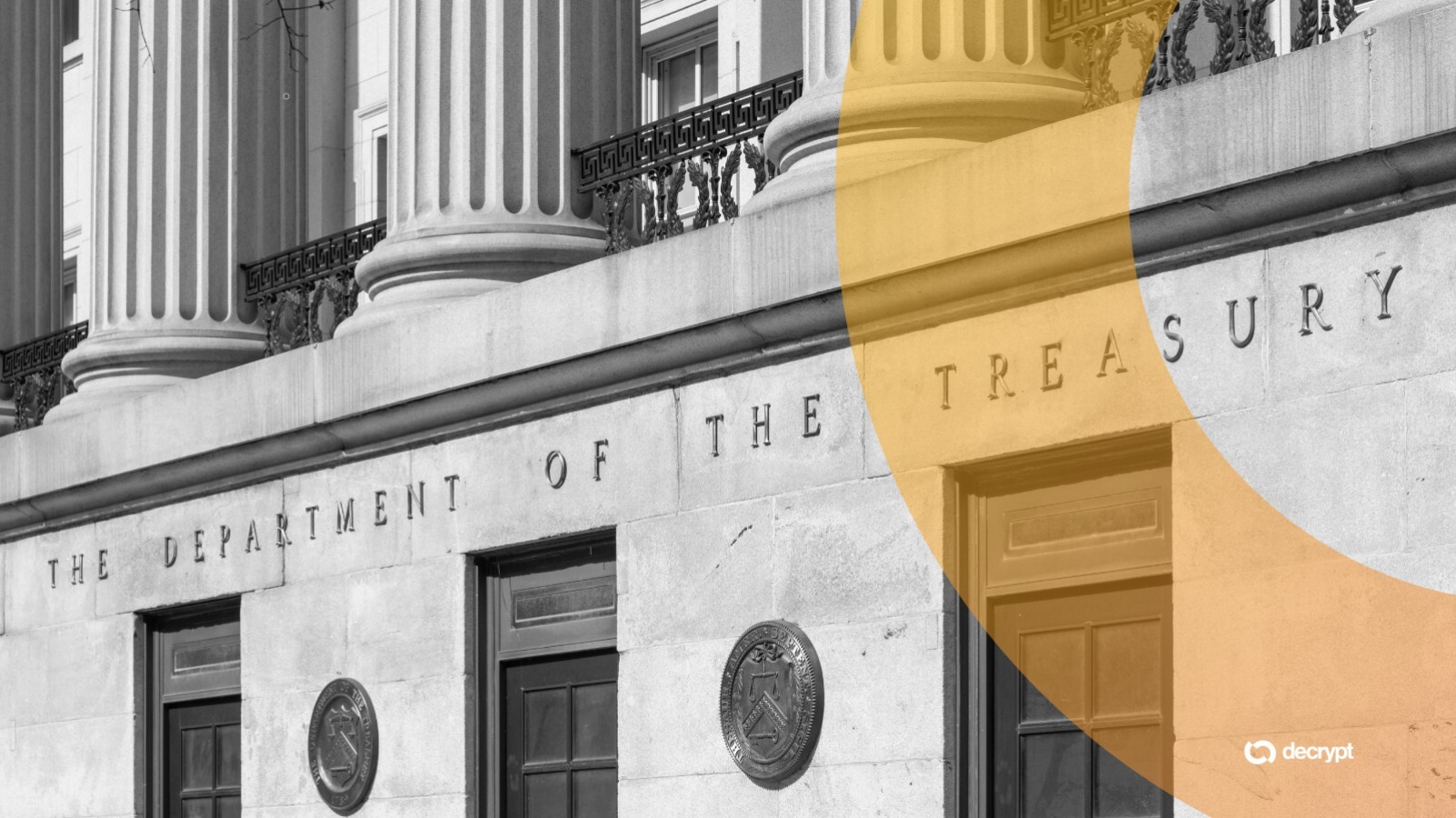
The U.S. Office of the Comptroller of the Currency has approved Bitcoin and crypto companies to become national banks, a decision that pulls the industry into the federal banking system. The move, announced this week, lets crypto firms apply for national charters and operate under the same rules as traditional banks.
A federal path for crypto
Until now, crypto companies had to piece together state-level licenses to do business across the country. That patchwork of rules was a headache for firms trying to scale, and it left regulators with little visibility into their operations. The OCC's approval changes that. A crypto company can now apply for a single federal charter, answer to one regulator, and operate in every state at once.
It's a significant shift. The OCC, which oversees the national banking system, has historically been cautious about crypto. This decision signals that the agency sees digital assets as a legitimate part of the financial landscape, not just a fringe experiment.
What a national charter brings
For crypto firms, the appeal is obvious. A national bank charter gives them access to the Federal Reserve's payment system, the ability to offer insured deposits, and a level of credibility that state licenses don't provide. It also means they can lend, hold customer funds, and offer traditional banking services alongside their crypto products.
But that access comes with strings. National banks are subject to strict capital requirements, anti-money laundering rules, and consumer protection laws. They face regular examinations and must meet governance standards that many crypto startups have never had to think about. The OCC will expect these firms to operate like banks, not like tech companies with a crypto side hustle.
The regulatory trade-off
That's the trade-off. Crypto firms that want a national charter will have to comply with rules designed for a different kind of business. For example, they'll need to hold reserves against deposits, implement know-your-customer checks, and report suspicious activity. Some crypto business models may not fit neatly into that framework.
Still, the approval gives the industry something it has long wanted: a clear, federal path to legitimacy. Instead of guessing which state rules apply or worrying about a sudden crackdown, crypto banks will know exactly what's expected of them. That clarity could attract more institutional money and mainstream customers.
What happens now
The OCC will begin accepting applications from crypto companies that want to become national banks. Each application will be reviewed on its own merits, and the agency hasn't said how many it expects or how long the process will take. Firms that want to move forward will need to show they can meet the same standards as any other national bank.
For the industry, the door is open. Whether many crypto companies walk through it remains to be seen, but the option is now on the table.