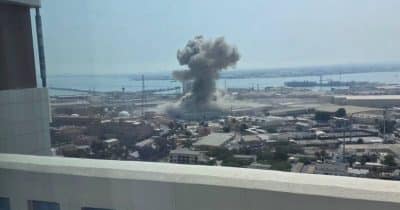
Pakistan launched air strikes inside Afghanistan this week, striking targets it said were linked to militant groups operating along the border. The raids, which were not confirmed by Afghan authorities, have quickly reignited long-simmering regional tensions and sent a jolt through cross-border financial networks that rely on fragile stability.
What triggered the strikes
Pakistani officials, speaking on condition of anonymity, described the operation as a response to recent attacks on security forces near the frontier. The strikes hit locations in eastern Afghanistan's Khost and Kunar provinces, according to local sources. No immediate casualty figures were released, but residents reported hearing explosions and seeing military aircraft overhead.
The Afghan government condemned the incursion, calling it a violation of sovereignty. The Taliban-led administration in Kabul did not issue a formal statement but privately expressed anger through diplomatic channels. The United Nations called for restraint, warning that any escalation could destabilize the already fragile region.
Regional fallout
The air strikes mark a sharp escalation in a conflict that has largely simmered beneath the surface since the Taliban took power in 2021. Pakistan has long accused Afghanistan of harboring militants, including the Tehrik-i-Taliban Pakistan (TTP), which has claimed responsibility for cross-border attacks. The Taliban denies allowing territory to be used against Pakistan.
Neighbors are watching closely. Iran and China both urged dialogue. India, which has frosty relations with Pakistan, made no immediate official comment but is likely concerned about spillover effects. The strikes come at a time when Pakistan is already under severe economic strain, grappling with inflation, a weak rupee, and declining foreign reserves.
Financial ripple effects
The instability hit cross-border financial channels almost immediately. Remittance flows between Pakistan and Afghanistan, a lifeline for millions of families, are now at risk. Money transfer operators reported a slowdown in transactions as informal hawala networks tightened lending and raised fees, fearing crackdowns or asset freezes.
Trade across the two countries, already restricted since the Taliban takeover, has further contracted. The Pakistan-Afghanistan border crossing at Torkham saw reduced truck traffic after owners feared seizure or damage. The escalation also spooked investors in Pakistan's stock market. The Karachi Stock Exchange's benchmark KSE-100 index dipped about 1.5% in the two days after the strikes, with defense and energy stocks leading the decline.
An unresolved question
The strikes leave a central question unanswered: will the Taliban take action against the TTP, or will the cross-border attacks only intensify? Pakistan's government has not said whether it plans further operations. Afghan officials have demanded an apology and compensation, but none has been offered. The next move belongs to either side, and the region waits.