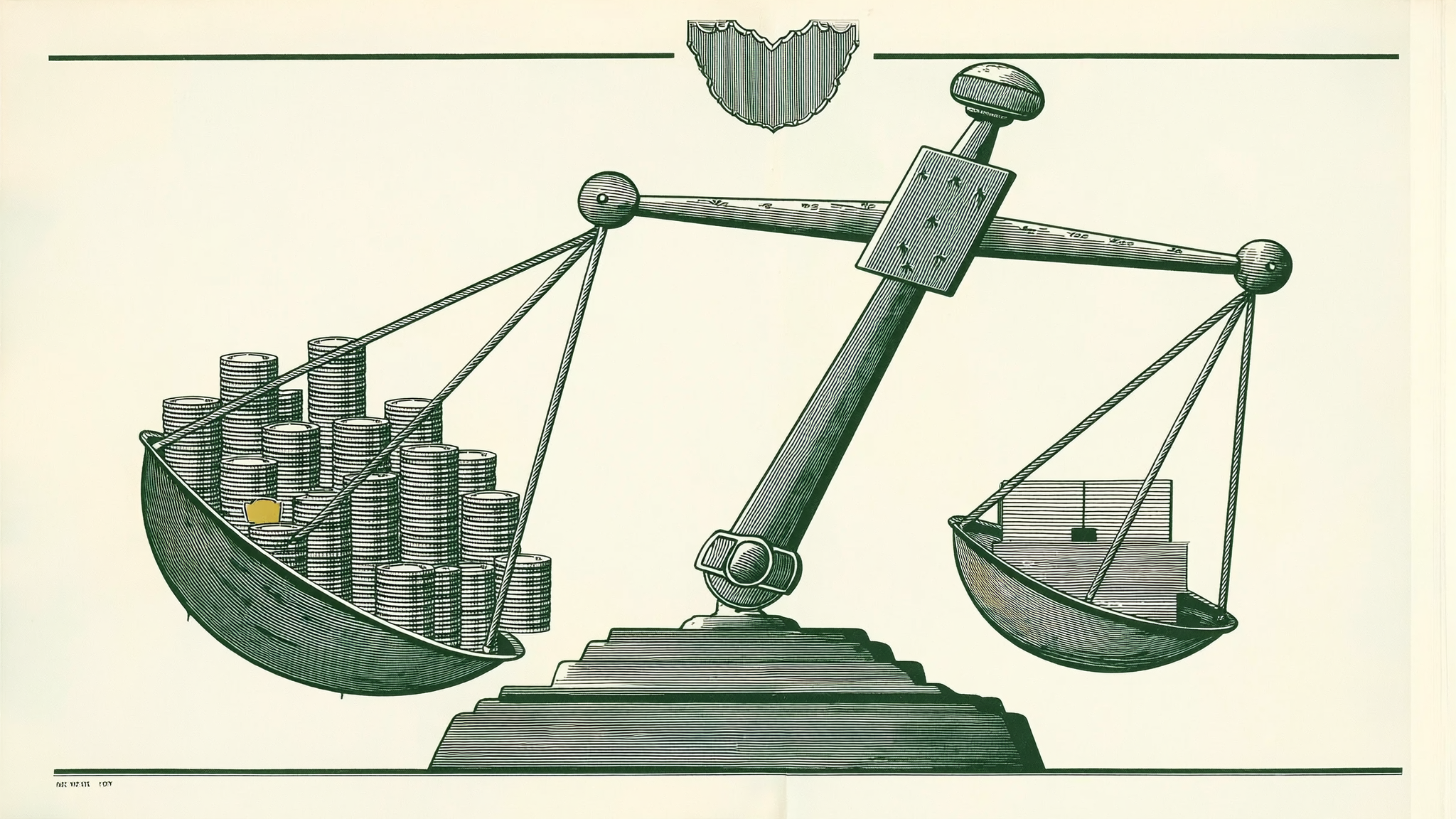
Robinhood has taken a commanding lead in the market for tokenized stocks, with a market cap of $78 million compared to Coinbase's $9.4 million. The rapid dominance signals a broader shift toward 24/7 trading and increased global access to US equities through decentralized finance.
The Numbers Behind the Lead
Robinhood's stock token market cap now sits at $78 million, more than eight times Coinbase's $9.4 million. That gap is striking, especially given that both platforms have been pushing into tokenized assets for months. The figures, drawn from current market data, show Robinhood pulling ahead at a pace that few expected.
Coinbase, long seen as the more established crypto exchange, is now playing catch-up. The difference in market cap isn't just a number—it reflects real investor preference. Traders are putting their money where they can trade US stocks around the clock, and Robinhood appears to be the platform they trust for that.
Why Robinhood's Lead Matters
This isn't just about two companies competing. It's about where the market is heading. Tokenized stocks let investors buy and sell shares of US companies on blockchain rails, which means trading doesn't stop when the New York Stock Exchange closes. That's a fundamental change from traditional markets.
Robinhood's dominance suggests that retail investors are driving this shift. They want the flexibility to react to news at 2 a.m. or to adjust positions on weekends. Coinbase, with its smaller footprint in this niche, hasn't captured that same energy.
The Shift to 24/7 Trading
The move toward tokenized stocks is part of a larger trend: markets that never sleep. Traditional exchanges have fixed hours, but decentralized finance doesn't. That's the appeal. Investors can trade US equities at any hour, from anywhere, without waiting for the opening bell.
Robinhood's rapid rise in this space shows that demand is real. The $78 million market cap isn't a rounding error—it's a signal. More traders are choosing to hold tokenized versions of stocks rather than the underlying shares, at least for part of their portfolio.
Global Access via DeFi
Another key factor is global reach. Tokenized stocks allow investors outside the US to gain exposure to American companies without dealing with traditional brokerage barriers. That's a big deal. Someone in Europe or Asia can buy a tokenized Apple or Tesla share through a DeFi platform, bypassing the usual friction.
Robinhood's lead suggests it's capturing that international demand. The platform's user base, already familiar with crypto, is now using it for tokenized equities. Coinbase, despite its global presence, hasn't matched that traction.
The gap between the two platforms may widen as more investors seek round-the-clock access to US stocks. Whether Coinbase can close the distance remains an open question, but for now, Robinhood owns the tokenized stock market.