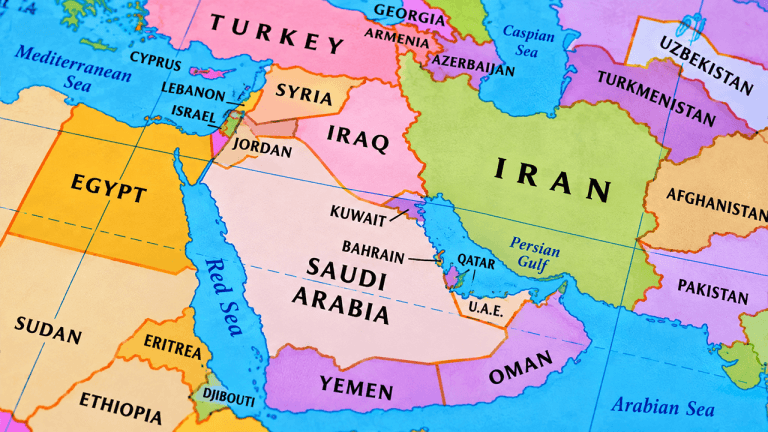
Russia has officially approved Bitcoin, Ethereum, and USDT for retail trading and cross-border payments, a move that could widen crypto adoption in the country. The approval, reported this week, does not include XRP, leaving the token in regulatory limbo.
What the approval covers
The Russian government has added Bitcoin, Ethereum, and USDT to its list of approved cryptocurrencies for both retail trading and cross-border transactions. That means individuals and businesses can now legally use these assets for everyday purchases and international payments, a step that could bring more mainstream users into the crypto space. The decision is part of a broader effort to integrate digital assets into the country's financial system, though the exact regulatory framework hasn't been fully detailed.
XRP's exclusion
XRP, the token associated with Ripple, is not on the approved list. That omission is notable, given that XRP has a significant presence in global markets. The exclusion highlights the regulatory hurdles XRP continues to face, and it adds to the market uncertainty around the token. For Russian users, it means XRP remains outside the legal framework for retail and cross-border use, at least for now.
The approval could give a real boost to Bitcoin, Ethereum, and USDT adoption in Russia. USDT, being a stablecoin, is often used for cross-border transfers, and its inclusion makes sense. Bitcoin and Ethereum are the two largest cryptocurrencies, so their approval is a big deal. But the absence of XRP is a reminder that not all digital assets are treated equally. The decision may push some Russian traders toward the approved assets, while XRP holders are left waiting for clarity.
It's unclear whether the exclusion is a temporary measure or a sign of a longer-term stance. For now, XRP remains on the sidelines in Russia, and its supporters are left to wonder when — or if — it will get the same green light.