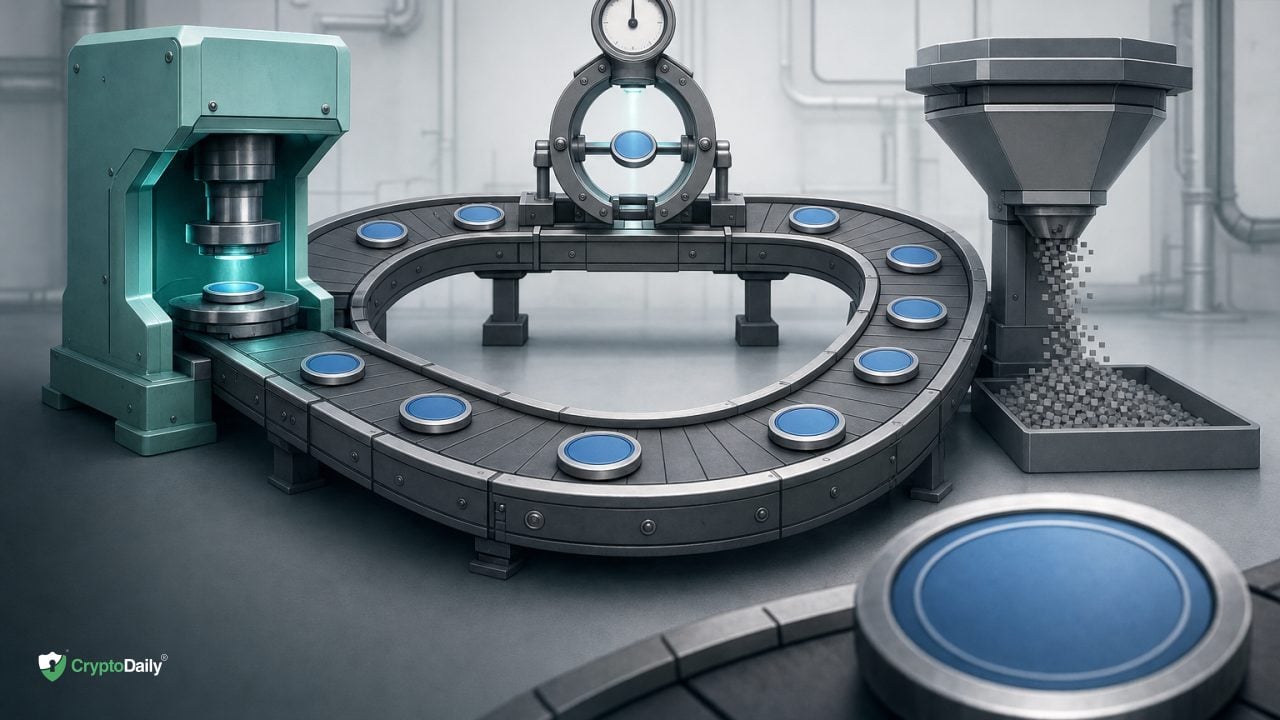
Sui processed roughly $65 billion in stablecoin transfers in the five days following June 10, 2024, after Mysten Labs enabled gasless transfer operations for supported stablecoins in May. The feature removes the requirement for users to hold the native SUI token to pay gas fees when moving stablecoins, lowering a barrier that has kept some users from transacting on the network.
Gasless transfers explained
The gasless model applies to a range of stablecoins including USDC, USDsui, suiUSDe, USDY, FDUSD, AUSD, and USDB. Instead of needing SUI for every transaction fee, the protocol covers the gas cost from the stablecoin value or through a separate mechanism. The idea is to simplify the user experience and make stablecoin payments feel more like a traditional payment rail, where the sender doesn't have to worry about a second token.
Mysten Labs, the development firm behind Sui, rolled out the feature in May. The surge in volume starting June 10 suggests the change had an immediate effect on activity, though the numbers need context.
A caveat on the numbers
The $65 billion figure is eye-catching, but the article warns it should not be treated as a pure adoption number. A significant portion of the transfer volume likely comes from automated strategies — arbitrage bots, market makers, and high‑frequency trading programs — that use the cheap, fast transfers to move stablecoins between exchanges and protocols. That kind of activity can inflate volume without reflecting durable retail or enterprise demand.
It's a reminder that raw transfer value can mislead. Sui's capacity to handle that volume at low cost is real, but the quality of the demand matters more for long‑term growth.
What to watch for adoption
For a clearer signal of genuine adoption, the article points to other metrics: stablecoin balances held on Sui, application‑level demand (like lending or payments), bridge flows showing assets coming into the network, and the depth of liquidity in Sui‑based DeFi protocols. If those numbers rise alongside transfer volume, it would suggest actual users are sticking around.
For now, the gasless feature has clearly unlocked activity. Whether that activity translates into a loyal user base or remains mostly automated churn is an open question. The next few months of data will show if Sui's stablecoin ecosystem is building real traction or just a short‑term spike.