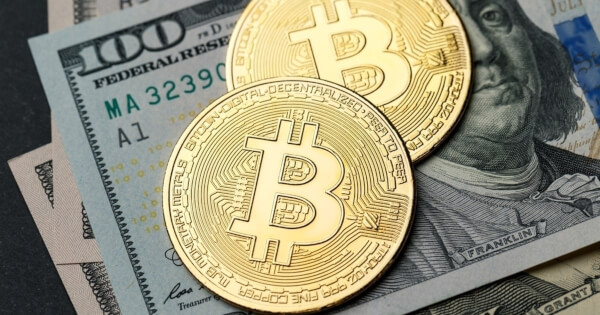
Taiwan's central bank sat down with the Bitcoin Policy Institute this week to discuss a question that would have been unthinkable just a few years ago: could bitcoin serve as a reserve asset? The meeting, confirmed by sources familiar with the matter, marks one of the first known instances of a major Asian central bank formally engaging with a bitcoin advocacy group on the topic.
The meeting in Taipei
Officials from the Central Bank of the Republic of China (Taiwan) met with representatives of the Bitcoin Policy Institute, a Washington D.C.-based think tank focused on bitcoin policy. The discussion centered on the potential role of bitcoin in a central bank's reserve portfolio. Neither side has released a public statement, but the fact that the meeting happened at all signals a shift in tone from an institution that has historically been cautious on crypto.
Bitcoin as a reserve asset
The idea of a central bank holding bitcoin as a reserve asset has gained traction in recent years. El Salvador made bitcoin legal tender in 2021 and holds it on its balance sheet. A handful of other countries have explored the concept. But for a central bank in Asia — especially one that manages one of the world's largest foreign exchange reserves relative to GDP — to even discuss the idea is notable. Taiwan's central bank oversees roughly $570 billion in reserves, mostly in U.S. Treasuries, gold, and other traditional assets.
Taiwan's cautious approach
Taiwan's central bank has long taken a skeptical view of cryptocurrencies. In 2022, it warned that crypto assets posed risks to financial stability and urged the public to be cautious. It has not issued a central bank digital currency, though it has studied the concept. This meeting doesn't mean Taiwan is about to buy bitcoin. But it does suggest the bank is willing to listen to arguments that bitcoin could serve as a hedge against currency debasement or geopolitical risk — a concern that resonates in Taipei given China's military pressure.
What comes next
The Bitcoin Policy Institute is expected to follow up with a written briefing for central bank staff. No timeline for a decision has been set. Taiwan's central bank has not indicated any change in its reserve management strategy. But the door is now open — and that alone is a shift worth watching.