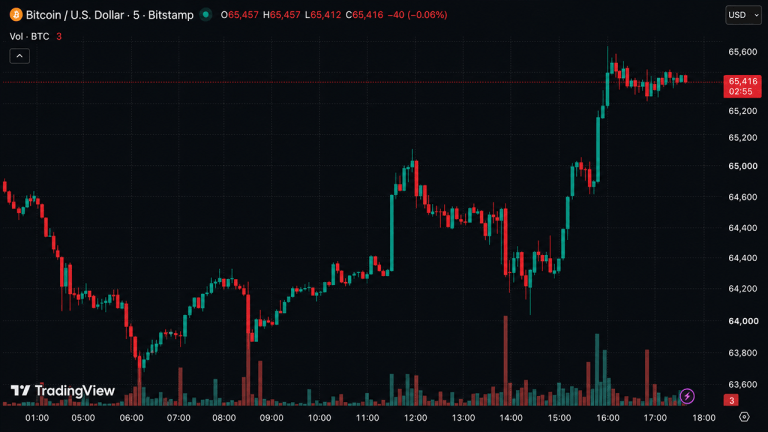
The White House is weighing renewed military strikes against Iran, with President Trump reviewing options this week. The move comes amid already-high geopolitical friction in the Middle East. For crypto markets, it's another layer of uncertainty — one that could fuel volatility and invite stricter oversight.
What the White House is weighing
Trump's review of military options signals a potential escalation in U.S.-Iran tensions. Officials have not confirmed a timeline or scope, but the discussion is active. Any strike would mark a significant shift after months of relative calm in the region. The administration has cited Iranian provocations, though specific triggers haven't been made public. The review itself is enough to unsettle global markets.
Why crypto traders are watching
Geopolitical shocks tend to ripple through digital assets. Bitcoin and other tokens often see sharp price swings during crises — sometimes rallying as a hedge, sometimes selling off alongside equities. This time, the stakes feel different. Heightened tensions could push regulators to act faster. Stricter scrutiny of crypto markets is on the table, especially if authorities worry about capital flight or sanctions evasion. That's not a hypothetical. Several governments have already tightened rules after previous Middle East flare-ups.
The timing isn't great. Crypto markets have been skittish for weeks. A military strike would add a fresh dose of instability. Traders are watching the news cycle closely, but there's no clear playbook. Some will rotate into stablecoins. Others will sit on the sidelines. The uncertainty alone can move prices.
A volatile mix for digital assets
Past examples show that geopolitical crises can trigger sudden crypto sell-offs followed by recoveries. But each situation is different. Here, the potential for wider regional conflict — and the involvement of a major oil-producing nation — could create sustained volatility. That's bad for short-term traders but might appeal to long-term holders who see chaos as a buying opportunity.
Regulatory risk adds another dimension. If the U.S. escalates militarily, lawmakers may push for faster action on crypto rules. Bills that were stalled could gain momentum. Exchanges might face new compliance demands. The industry is already fighting battles over taxonomy and stablecoin oversight. A war footing could tilt the balance.
What comes next
No decision has been announced. The review could lead to strikes, or it could fizzle into a diplomatic overture. Markets are pricing in the possibility, not the certainty. For crypto, the key question is whether the White House acts — and how quickly. The next few days will tell. Until then, traders are left guessing, and volatility is the only sure bet.