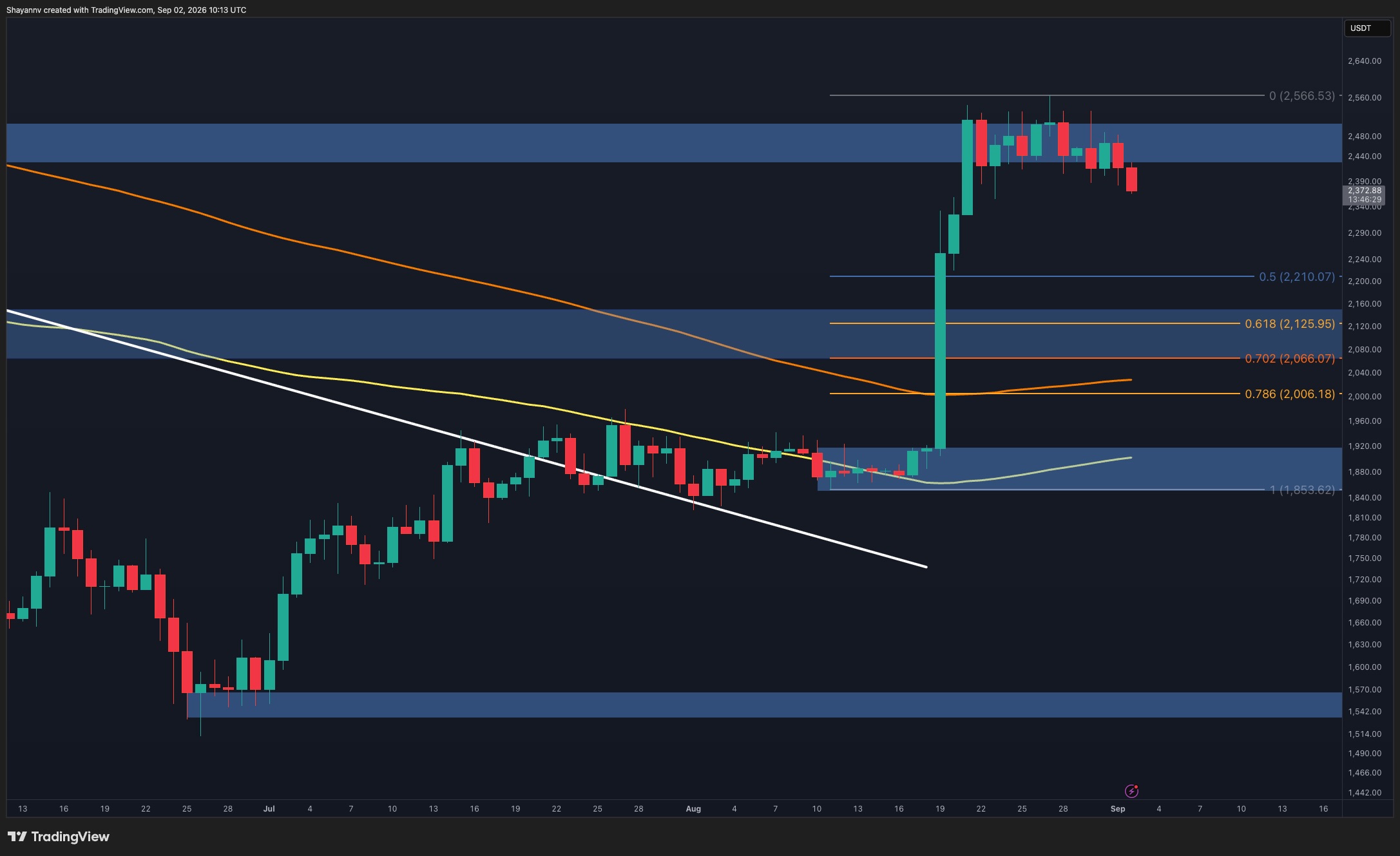
Uniswap is running at record activity levels, but the fees it generates aren't keeping up. The gap between usage and revenue is widening, and it's happening while large holders quietly accumulate UNI tokens. The token itself is extending a recovery that started recently.
Record Activity, Slower Fees
The decentralized exchange is seeing more trades and more volume than ever before. That much is clear from the network's own metrics. What's less clear is why fee growth is trailing behind. If activity is at an all-time high, you'd expect fees to follow the same curve. They haven't.
That could mean users are trading smaller amounts, or that they're finding cheaper routes through the protocol. It could also mean the mix of trades has shifted toward less fee-intensive pairs. The facts don't say which. What they do say is that the usual relationship between activity and fees has broken down.
For a protocol that relies on fees to reward liquidity providers, that's a meaningful divergence. It doesn't threaten the platform's operation, but it does raise questions about how sustainable the current growth pattern is.
Whale Accumulation Continues
While the fee picture is mixed, the token side tells a different story. Persistent whale accumulation is happening for UNI. Large holders have been steadily adding to their positions, and that kind of behavior often signals confidence in where the price is headed.
The accumulation isn't a one-off spike. It's described as persistent, meaning it's been going on for a while. That's the kind of steady buying that can support a price floor, even when broader market sentiment is uncertain.
Whales don't always get it right, but their moves are worth watching. When they accumulate during a period of record activity, it suggests they see something in the fundamentals that the fee data doesn't immediately show.
UNI's Recovery Extends
UNI is in the middle of a recovery, and it's still going. The token has been climbing, and the whale accumulation is likely a factor. But the recovery isn't just about whales. It's also about the broader market's mood toward DeFi tokens, which has been improving.
The recovery is described as extending, meaning it's not a fresh bounce. It's been building for a while. That's a different dynamic from a quick spike. Extended recoveries tend to be more durable, though they can also stall if the underlying drivers fade.
For now, the token is moving in the right direction. Whether that continues depends on whether the activity levels translate into fee growth, and whether the whales keep buying.
The next few weeks will show if the fee growth catches up to the activity. If it doesn't, the gap could start to weigh on sentiment. If it does, the recovery might have more room to run.