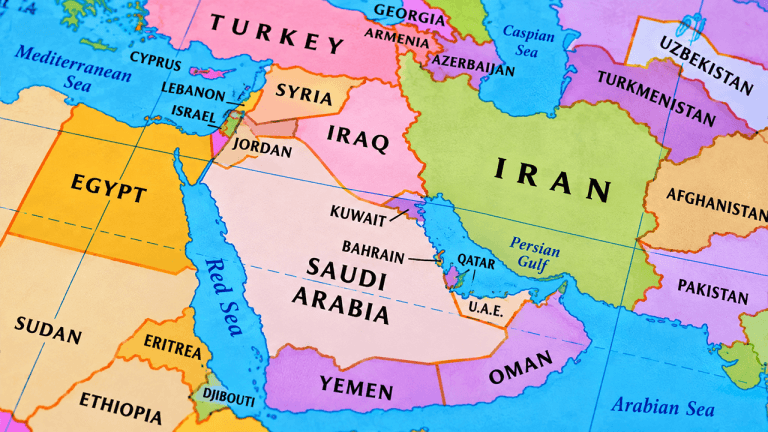
The U.S. Treasury this week sanctioned crypto exchanges linked to financing for Iran's Islamic Revolutionary Guard Corps, a move that could blunt diplomatic efforts and reduce the odds of a nuclear deal between Washington and Tehran. The action targets infrastructure the IRGC uses to move money, adding another layer of economic pressure just as talks over Iran's nuclear program appear fragile.
Why the sanctions bite
The exchanges are part of a financial web that channels funds to the IRGC, a powerful branch of Iran's military that also controls significant economic assets. By cutting these platforms off from the U.S. financial system, the Treasury is trying to starve that pipeline. The affected exchanges will lose access to American banks, dollar clearing, and any business with U.S. partners. That's a serious hit for any crypto operation that wants to work internationally.
Diplomatic fallout
The timing is awkward. Washington and Tehran have been in talks over a nuclear deal, and the sanctions could harden positions on both sides. The Treasury's action signals that the U.S. isn't easing pressure even as it negotiates. That reduces the likelihood of a breakthrough, according to the assessment. It also escalates economic tensions, which tend to spill over into other areas of the relationship.
The named platforms aren't household names, but they serve as a gateway for IRGC-linked money moving in and out of Iran. Without access to U.S. financial infrastructure, their ability to operate on a global scale shrinks dramatically. Users may find their funds stuck or face delays as the exchanges scramble to adjust. The Treasury hasn't said whether more exchanges are in its sights, but the message is clear: any platform that facilitates IRGC financing is a target.
This isn't the first time the U.S. has gone after Iran's crypto use, but it's a more direct strike at the infrastructure itself. The IRGC has long relied on informal channels to bypass sanctions, and crypto has become a convenient tool. By hitting the exchanges, the Treasury is closing a door that had been left open. The move also sends a signal to other countries and companies that do business with Iran: the U.S. is willing to use financial tools to enforce its policy.
Whether the sanctions actually derail the nuclear talks remains the open question. Both sides have signaled willingness to continue, but the new pressure could make compromise harder. The Treasury hasn't indicated what it might do next, and the exchanges haven't publicly responded. For now, the situation sits in a fragile place, with diplomacy and enforcement pulling in opposite directions.