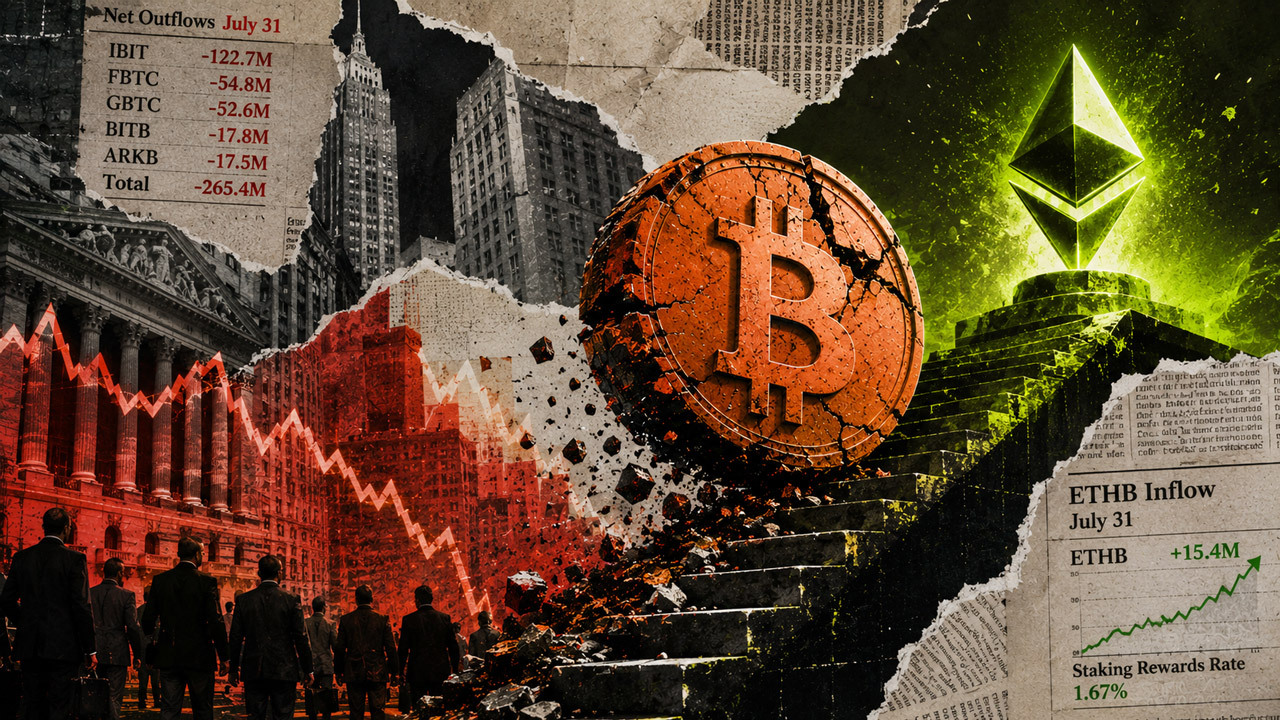
TRON processes most of the world's USDT transactions because of its low fees and speed, making it the go-to platform for exchanges and peer-to-peer transfers. That self-reinforcing cycle now traps the network between stablecoin success and regulatory vulnerability. The blockchain's value flow stays indirect while its future hinges on decisions made outside its control.
Why Cost Cuts Won
Exchanges and money transfer platforms automatically route USDT through TRON's network. They choose it because sending money there costs less and happens faster than on other chains. This isn't about high-tech features or developer buzz—it's basic economics. People send remittances in unstable economies and move coins between exchanges because they need it cheap and quick.
How the Network Grew
Every time an exchange defaults to TRC20 USDT, it pulls more users and liquidity into TRON. That makes the next user more likely to pick it, creating a loop. Retail traders don't care about blockchain fundamentals—they follow where their cash moves easiest. The cycle stays alive because people keep using it for daily transactions, not crypto experiments.
Where Money Actually Moves
Value from USDT flows to four groups: end users save on fees, exchanges pocket float and transaction charges, Tether earns interest on reserves, and TRX holders see modest fee demand. But the real money stays off-chain. TRON's 27 Super Representatives maintain the network, while its resource model keeps costs low for regular users. Most profits never touch the blockchain itself.
The Regulatory Trap
TRON can't control stablecoin issuers or exchange policies. If regulators pressure Tether or hit exchanges with new rules, the network has no safety net. Its entire transaction volume depends on centralized players making decisions TRON can't influence. That exposure grows with every new user relying on USDT for remittances or trade settlements.
The next regulatory move against major stablecoin issuers could force exchanges to shift USDT traffic, but TRON has no plan for that shift. How regulators treat the network's central points of failure remains the unanswered question.