Diplomatic Skepticism Grows Over Compliance
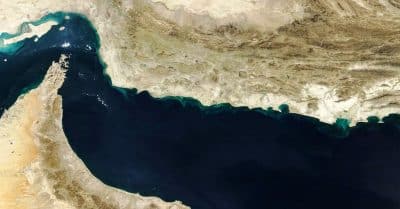
International negotiators increasingly believe Tehran will fail to comply with President Trump's recent ultimatum. Sources close to the talks suggest the Strait of Hormuz deadline remains out of reach for Iranian officials. This developing situation places immense pressure on all parties involved. Diplomats worry that time is running out for a peaceful resolution.
Why does this specific timeline matter so much? The strategic waterway controls a massive portion of global energy shipments. Any closure disrupts supply chains instantly. Consequently, stakeholders watch every diplomatic signal closely. Failure to open the passage could signal a breakdown in communication.
Geopolitical Tensions Risk Military Escalation
Ignoring the imposed timeline invites severe consequences. Regional stability hangs in the balance as deadlines approach. Military analysts warn that non-compliance might trigger a U.S. response. Such actions could rapidly transform a diplomatic dispute into armed conflict.
Historical precedents show that missed ultimatums often lead to force. Naval assets remain positioned nearby for rapid deployment. Commanders prepare for various scenarios ranging from sanctions to strikes. The potential for miscalculation grows with each passing hour. Can diplomacy survive under such intense pressure?
Market Volatility Threatens Global Oil Prices
Financial markets react sharply to geopolitical uncertainty. Traders anticipate significant swings in energy commodities. A blocked strait would constrain supply immediately. Oil prices could surge as buyers scramble for alternatives. Investors hedge positions against potential disruptions.
- Crude oil futures often spike during regional conflicts.
- Shipping insurance costs rise amid perceived threats.
- Global inflation risks increase with higher energy costs.
Economic analysts monitor the situation for early warning signs. Volatility affects more than just energy sectors. Broader financial markets feel the ripple effects quickly. Pension funds and retail investors alike face exposure. Protecting portfolios becomes a priority during such unstable times.
Negotiation Complexities Challenge Diplomats
Behind the scenes, talks remain intricate and difficult. Multiple interests collide during these high-stakes discussions. Sanctions relief trades off against security guarantees. Each side demands concessions before moving forward. Progress often stalls due to mutual distrust.
Experts note that public deadlines complicate private bargaining. Leaders lose face if they appear weak domestically. This dynamic reduces flexibility for compromise. Negotiators must balance national pride with practical outcomes. Finding common ground requires patience and discretion.
Future Outlook Depends on Immediate Actions
The coming days will determine the trajectory of this crisis. All eyes focus on Tehran's next official statement. Will leaders choose negotiation or confrontation? The world waits for clarity amidst the noise. Decisions made now will impact regions for years.
Ultimately, the Strait of Hormuz deadline serves as a critical test. Success brings stability and lower energy costs. Failure risks war and economic shockwaves. Stakeholders must remain vigilant and informed. Understanding these dynamics helps navigate uncertain times ahead.