What’s Happening in the U.S. Prediction Market Landscape?
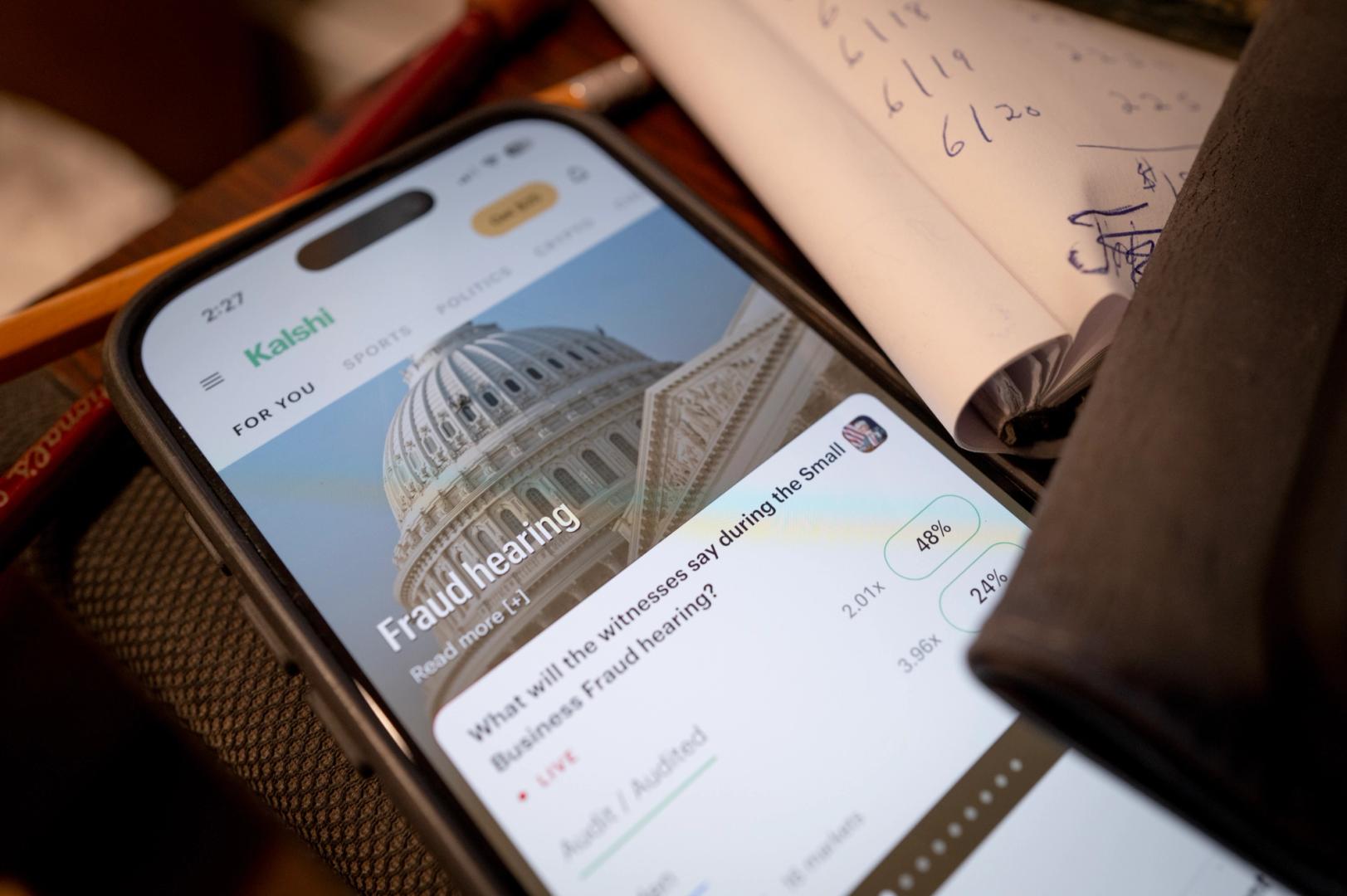
Kalshi, a Chicago‑based exchange, now commands roughly 89% of the nation’s regulated prediction‑market volume, a figure that underscores how formal trading venues are eclipsing the once‑wild, unregulated frontier. The shift comes as federal agencies and state authorities clash over whether platforms like Kalshi should be treated as sophisticated financial instruments or relegated to the gambling category.
Why Regulators Are Turning Their Attention to Prediction Markets
In the past five years, the total notional value of contracts traded on regulated prediction markets has surged past $5 billion, according to data from the Commodity Futures Trading Commission (CFTC). This rapid growth has sparked concern among lawmakers who fear that unchecked activity could expose retail investors to excessive risk, while industry advocates argue that proper oversight can bring transparency and consumer protection.
Federal vs. State: The Core of the Legal Battle
At the heart of the dispute lies a fundamental question: should prediction platforms be classified under the same regulatory umbrella as futures and options, or should they fall under state gambling statutes? The CFTC argues that these markets function as “financial derivatives,” offering hedging tools for events ranging from election outcomes to weather patterns. Conversely, several states, including Nevada and New Jersey, contend that the speculative nature of binary contracts aligns more closely with gambling, demanding stricter licensing and taxation.
Potential Outcomes and Their Implications
Three scenarios are emerging:
- Uniform Federal Oversight: A nationwide framework could streamline compliance, allowing platforms to operate across state lines with a single set of rules.
- Patchwork State Regulation: Each state could impose its own licensing regime, creating a fragmented market that may push traders back toward offshore or unregulated venues.
- Hybrid Model: Federal standards for market integrity paired with state‑level consumer‑protection measures, similar to the current approach for sports betting.
Industry analysts, such as Jane Liu of MarketWatch Analytics, estimate that a unified federal regime could boost market liquidity by up to 30% within two years.
Expert Opinions on the Future of U.S. Prediction Market Regulation
"A clear, consistent regulatory environment will unlock the real potential of prediction markets," says Dr. Alan Mercer, professor of financial law at Stanford. "Without it, we risk a splintered ecosystem that discourages innovation and drives participants underground."
On the other side, state regulator Mark Delgado of the Nevada Gaming Control Board warns, "Treating these platforms as financial products without adequate safeguards could expose vulnerable consumers to losses that resemble gambling addiction."
How the Debate Affects Everyday Traders
For the average user, the regulatory outcome could dictate everything from the types of contracts available to the fees charged. A federal framework might lower transaction costs due to economies of scale, while a state‑centric approach could introduce higher licensing fees that are passed on to consumers.
What to Watch for in the Coming Months
Key indicators that will signal the direction of U.S. prediction market regulation include:
- Legislative hearings scheduled by the House Financial Services Committee.
- Legal filings from the CFTC challenging state gambling statutes.
- Public comment periods on proposed rule changes from both federal and state agencies.
Stakeholders are advised to monitor these developments closely, as they will shape market access and product offerings.
Conclusion: The Stakes Are High for U.S. Prediction Market Regulation
As Kalshi and its rivals continue to dominate the regulated space, the ongoing legal tug‑of‑war will determine whether prediction markets become mainstream financial tools or remain confined to a gambling niche. The decision will influence liquidity, consumer protection, and the overall credibility of the industry. Stay informed, and consider how upcoming policy shifts might affect your trading strategy.