Iran Announces Restrictions on Hormuz Shipping
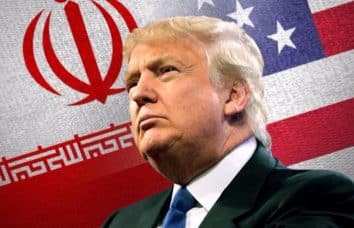
Tehran has officially declared a set of constraints on commercial vessels transiting the Strait of Hormuz, a chokepoint that handles roughly 20% of the world’s petroleum flow. The decree, issued on Thursday, is framed as a direct counter‑measure to what Iran describes as an unlawful U.S. naval blockade in the Persian Gulf. By limiting ship movements, Tehran hopes to pressure Washington into easing sanctions while signaling its willingness to defend national interests.
Geopolitical Stakes Rise as Tensions Escalate
What does this mean for regional stability? Analysts warn that the new Iranian maritime restrictions could trigger a chain reaction of diplomatic and military posturing. The move arrives at a delicate moment when back‑channel talks between Washington and Tehran are already fragile. Any misstep could transform a commercial dispute into a flashpoint for armed confrontation, a scenario that both sides have publicly vowed to avoid.
Potential Ripple Effects on Global Oil Markets
Oil traders are already adjusting their strategies. The price of Brent crude rose 1.8% to $84 per barrel within hours of the announcement, while U.S. West Texas Intermediate (WTI) ticked up 2.1% to $80.30. If Iranian restrictions tighten, the International Energy Agency (IEA) estimates that global oil supplies could shrink by up to 1.5 million barrels per day, a shortfall that would push prices higher still.
- Current daily oil flow through Hormuz: ~21 million barrels.
- Projected reduction under full restriction: 300,000–500,000 barrels.
- Historical price spikes after similar incidents: 5–10% within 48 hours.
Diplomatic Negotiations Face New Roadblocks
U.S.–Iran talks, which have been moving forward in Geneva, now confront a fresh obstacle. The American delegation warned that any unilateral action by Tehran would be deemed “counterproductive” and could halt progress on the nuclear agreement. Iranian officials, however, argue that the restrictions are a legitimate response to what they call “aggressive naval patrols” by U.S. warships.
"We are protecting our sovereign right to control traffic in our waters," said Ali Rezaei, Iran’s deputy foreign minister, during a press briefing. "The United States must recognize that a blockade is not a neutral security measure; it is an act of coercion."
Economic and Humanitarian Concerns Loom
Beyond the headline‑grabbing geopolitics, the restrictions could have tangible consequences for ordinary citizens. Shipping companies operating on the route may face increased insurance premiums—some insurers have already raised rates by 15% to cover heightened risk. Moreover, nations that rely on Hormuz‑bound oil, such as India and Japan, could see trade balances shift as they seek alternative, more expensive supply lines.
In the longer term, prolonged disruptions might strain regional economies already reeling from sanctions and pandemic recovery. The World Bank warns that a sustained dip in oil exports could shave up to 0.3% off Iran’s GDP growth forecast for 2026.
What Comes Next? Scenarios for the Strait
Experts outline three possible trajectories:
- De‑escalation: Diplomatic overtures lead to a temporary lifting of the restrictions, restoring the status quo.
- Stalemate: Both sides maintain a tense but limited presence, causing periodic spikes in oil prices.
- Escalation: A naval incident sparks a broader conflict, potentially drawing in regional allies and further destabilizing markets.
Which path will dominate? The answer may hinge on upcoming talks in Vienna and the willingness of major powers to mediate.
Conclusion: Navigating Uncertainty in a Critical Waterway
Iran’s maritime restrictions in the Strait of Hormuz have injected fresh volatility into an already complex geopolitical puzzle. The primary keyword—Iran maritime restrictions—now appears not just in headlines but in the calculations of oil traders, diplomats, and everyday businesses. As negotiations continue and markets react, stakeholders must stay alert to rapid shifts in policy and price. Monitoring official statements, insurance trends, and IEA forecasts will be essential for anyone with a stake in global energy security.
Stay informed, and consider diversifying energy portfolios to mitigate potential shocks from this evolving situation.