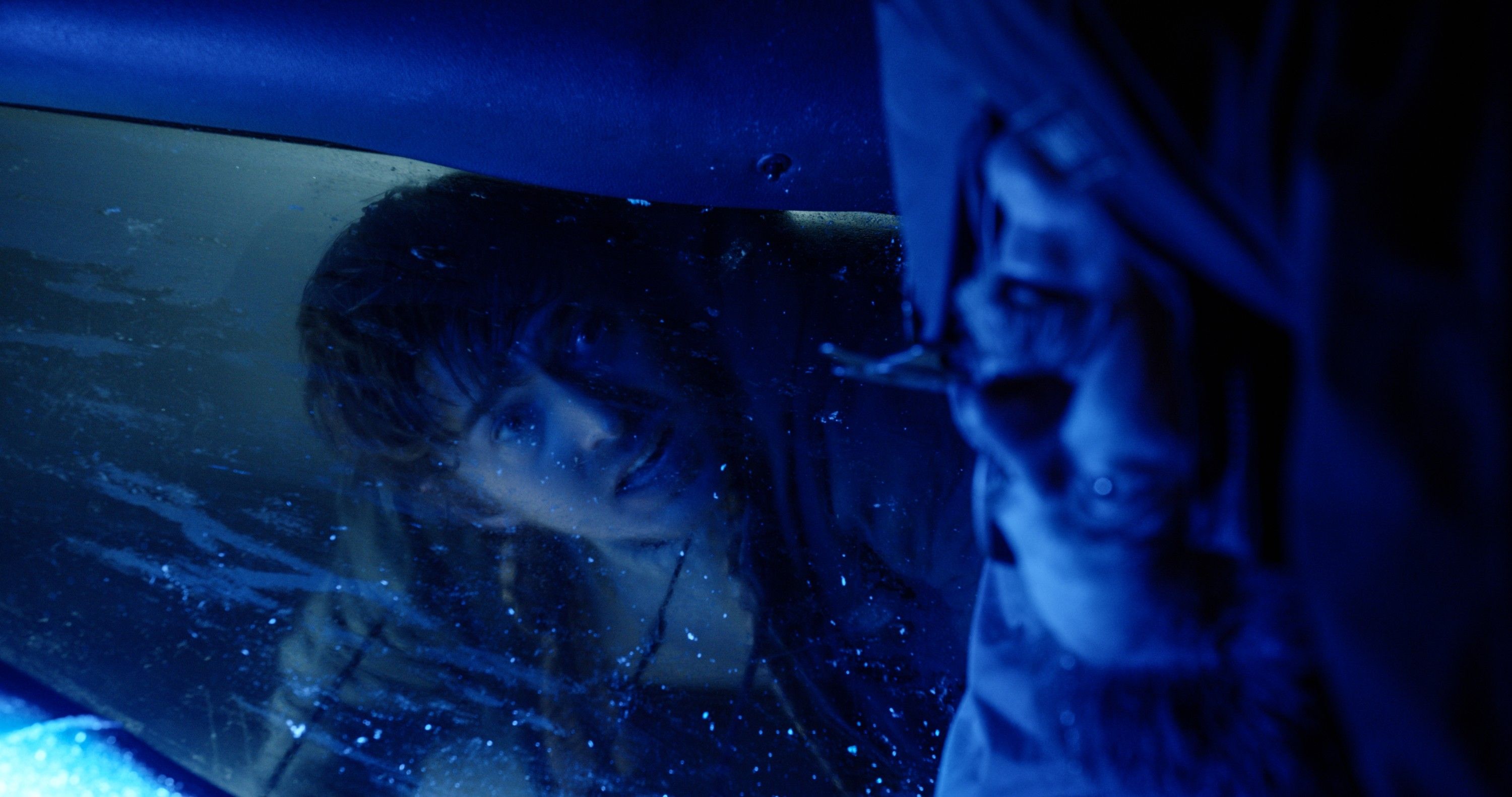
Netflix has produced 17 minutes of AI-enhanced documentary footage at half the cost of traditional production, the streaming giant confirmed. The experiment, carried out internally, marks one of the clearest signs yet that artificial intelligence is reshaping how content is made — and what it costs to make it.
The 17-minute test
The footage, part of a still-unreleased documentary, was generated with AI tools that handled tasks like background rendering, color grading, and even some script-to-scene generation. Netflix hasn't said which documentary will use the segment, but the company's internal data shows the AI-assisted approach cut production expenses by 50% compared to a conventional shoot of the same length.
That's a big number. Traditional documentary production can run from $1,000 to $50,000 per minute depending on the subject and location. A 50% reduction would mean thousands saved per minute — and potentially millions over a full-length feature.
Content economics are shifting fast. Streaming services have been under pressure to trim costs while still pumping out hours of original programming. Netflix alone spent roughly $17 billion on content last year. If AI can reliably halve production costs for certain types of footage — especially animation, historical recreations, or nature scenes — those savings could add up quickly.
But the trade-off isn't just about money. The AI tools required significant compute power. Renting GPU clusters for rendering and training models adds a new line item to budgets. Still, the company's internal analysis suggests the compute cost was far less than the labor and location costs it replaced.
The compute demand side
The experiment also signals a growing appetite for AI compute in the entertainment industry. Netflix's move is likely to push other studios and tech companies to secure more GPU capacity, driving up demand for chips from Nvidia and others. Hollywood's shift to AI could become a major driver of cloud computing revenue, especially for services like Amazon Web Services and Microsoft Azure that already host generative AI workloads.
Netflix hasn't announced plans to expand the experiment. But the company is known for quietly testing new production methods before rolling them out widely. Its earlier experiments with virtual production on shows like The Mandalorian (via a partnership with Industrial Light & Magic) were eventually adopted across the industry.
Will all documentaries be AI-generated in five years? Probably not. But the line between human and machine-made footage is getting blurrier. And the economics are becoming impossible to ignore.