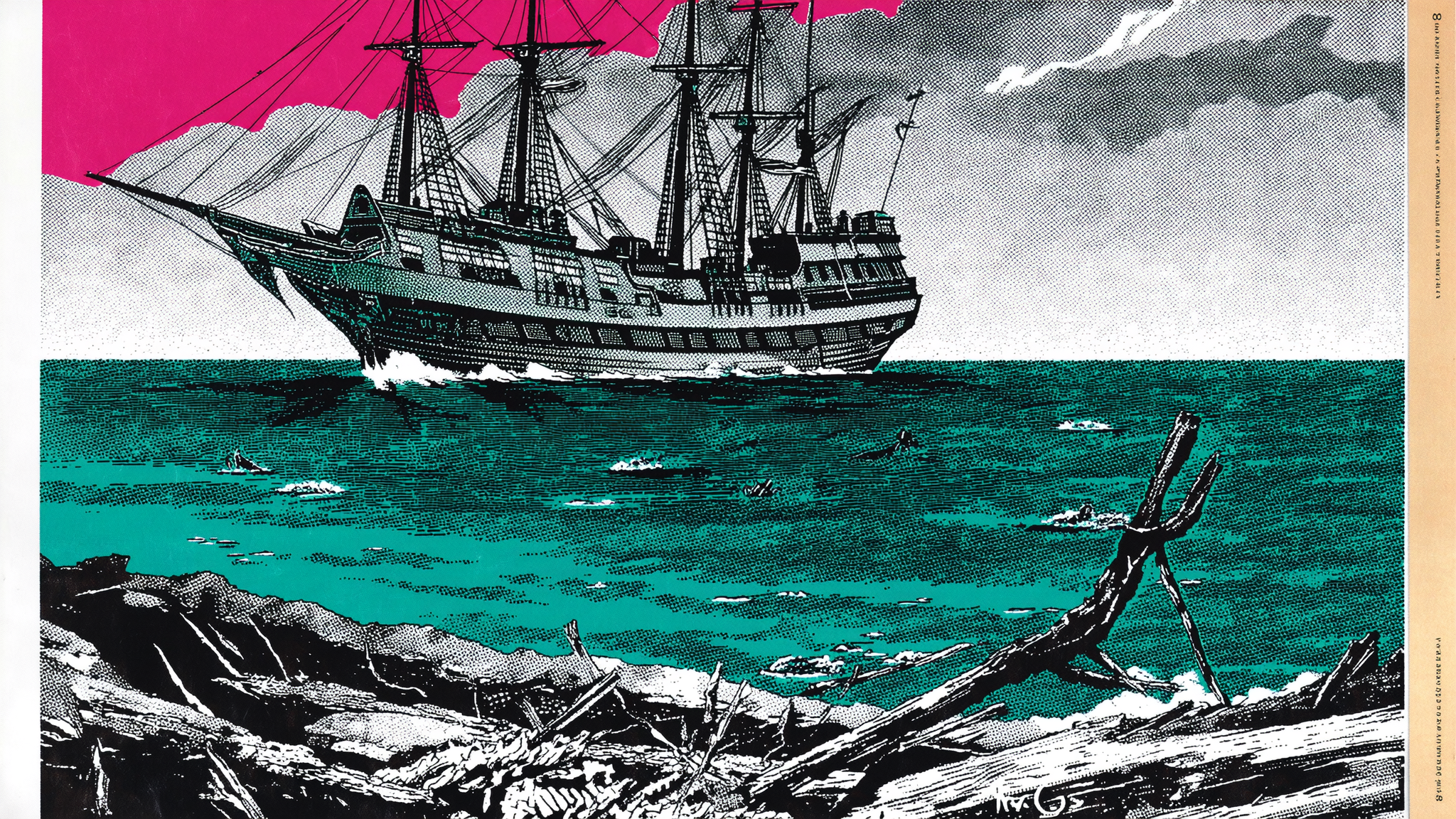
The studio behind Pirate Nation has shut down. In a final move, the team open-sourced all of the game's code and art under a Creative Commons Zero license. The decision highlights the ongoing struggle to keep players engaged and turn a profit in blockchain gaming.
What the open-source release includes
Everything is out in the open. The studio published the full codebase and all original artwork under a CC0 license — effectively dedicating the work to the public domain. Anyone can use, modify, or redistribute the assets without asking permission or paying royalties. The move is rare for a commercial game studio, especially one that built its product around tokenized assets and on-chain mechanics.
Why the studio closed
The team didn't give a detailed postmortem, but the facts are clear: user engagement dropped and the project couldn't sustain itself. Pirate Nation was a blockchain-based role-playing game that let players collect and trade pirate-themed NFTs. Like many crypto games, it relied on a steady flow of new players and active traders to keep the economy running. That flow dried up. The studio ran out of runway.
It's a familiar story in web3 gaming. The hype cycle around play-to-earn titles peaked in 2021 and 2022. Since then, most projects have struggled to retain users once the initial token incentives faded. Pirate Nation is just the latest casualty.
What happens to the game now
The official servers are down. But because the code is open-source, anyone can spin up their own instance. The CC0 license means modders, fans, or even other studios can take the assets and build something new. No official support will come — the team has disbanded — but the work isn't locked away.
For the players who held Pirate Nation NFTs, the value of those tokens is now tied to whatever community emerges around the open-source version. The original studio's smart contracts may still function on-chain, but without active development, they're effectively frozen.
A reminder of the challenges
Pirate Nation's shutdown isn't an isolated event. It's a data point in a broader trend: blockchain gaming has yet to prove it can sustain long-term engagement and profitability. The open-source release is a generous gesture, but it also reads as an admission that the original model didn't work.
The code is out there now. Whether anyone picks it up and sails it forward is the next question — and it's one only the community can answer.