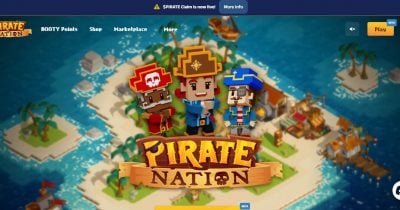
Proof of Play, the studio behind the fully onchain game Pirate Nation, is shutting down. The team announced this week that it 'couldn't build a product and sustainable business that proved out this thesis at scale' — referring to the idea that blockchain technology could power a mainstream game. The studio is open-sourcing its code and art assets, effectively handing the project to the community.
Why the studio is closing
In a statement, Proof of Play said the core thesis — that fully onchain games could attract and retain a large enough player base to be viable — didn't pan out. The studio didn't name specific financial troubles or layoff numbers, but the language is blunt: the business model didn't work at the scale needed. Pirate Nation was one of the more prominent examples of a game where all logic and assets live on a blockchain, a niche that has struggled to break into the mainstream.
What happens to Pirate Nation
Rather than let the game disappear, Proof of Play is releasing its code and art under an open-source license. That means anyone can fork the project, run their own version, or build on top of it. The move mirrors what some other failed crypto projects have done — giving the community a chance to keep the software alive. For now, the official servers will go offline, but the underlying assets are now public.
The broader onchain gaming landscape
The closure is a setback for the onchain gaming sector, which has seen a handful of high-profile launches but few breakout hits. Most games in the space remain small, with player counts that don't support a full-time studio. Proof of Play's failure to scale is a concrete data point for skeptics who argue that putting everything on a blockchain adds complexity without enough payoff. The open-source release at least ensures the code won't be lost, but it's a quiet end for a project that once generated real buzz.
The code and art are now available publicly. Whether a community-run version emerges remains to be seen — but the door is open.