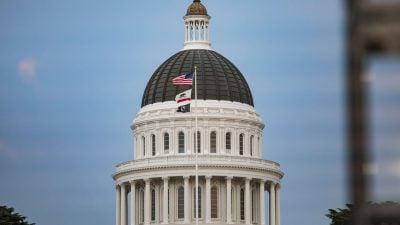
Alberta will hold a vote on independence in October, a move that could reshape Canada's political landscape. The referendum, set for later this year, is expected to influence autonomy movements across the country and strain federal-provincial relations. The story was originally reported by Crypto Briefing.
What the vote means
Albertans will go to the polls in October to decide whether the province should pursue sovereignty. The exact wording of the ballot question has not been detailed, but the vote is seen as a direct challenge to the Canadian federal government's authority over energy, resources, and fiscal policy.
The timing isn't accidental. Alberta's economy, heavily tied to oil and gas, has long chafed under federal environmental regulations and equalization payments. The independence push has gained momentum in recent years, and this October's vote will be the clearest test yet of public sentiment.
How it could change Canada
A yes vote wouldn't immediately trigger secession—Canadian constitutional law makes unilateral independence extremely difficult. But it would give the provincial government a powerful mandate to renegotiate terms with Ottawa. Other provinces with strong regional identities, particularly in the west, are watching closely.
The broader impact on federal-provincial relations could be significant. If Alberta votes yes, it could embolden similar movements in Saskatchewan, Quebec, or even parts of British Columbia. That would force the federal government to either accommodate demands or face a prolonged period of political instability.
Next steps
Campaigning is expected to heat up over the summer. Both the provincial government and federal officials will likely outline their positions in the coming weeks. The vote itself is scheduled for October, with results expected within days. What happens after that—whether it leads to negotiations, legal challenges, or deeper division—remains the open question.