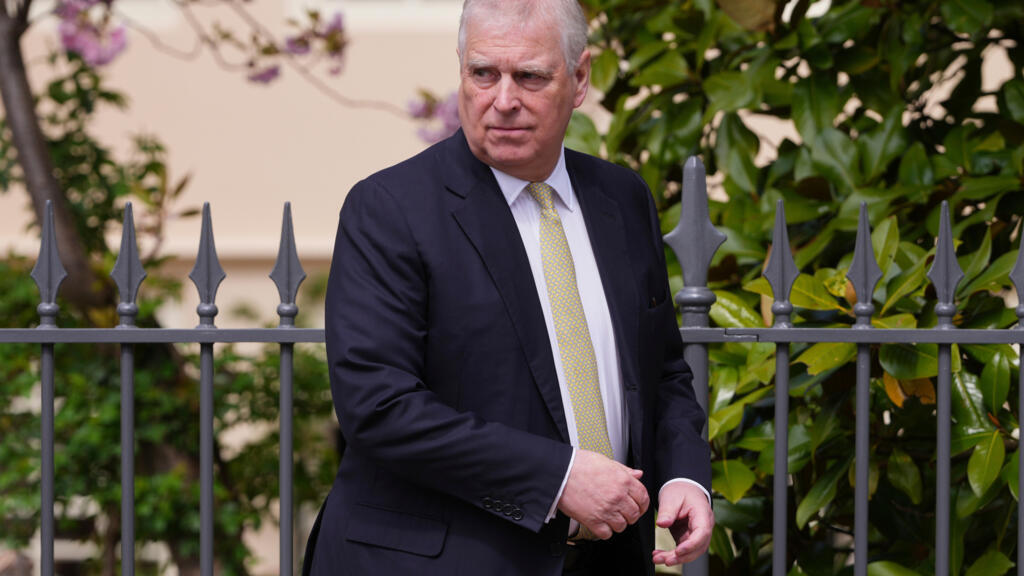
Andrew Mountbatten-Windsor has filed a legal challenge against the search warrants used in the investigation that led to his arrest on suspicion of misconduct in public office. He was arrested earlier this year and released under investigation in February. The action targets the warrants themselves, not the allegation that triggered them.
The narrow point he's contesting
This isn't a fight about whether he did anything wrong. It's about how police got permission to search. Search warrants in the UK have to specify what officers are looking for and where they can look. If a warrant is too broad, or if the application behind it was flawed, a court can quash it — and anything found under it can be challenged.
📊 Market Data Snapshot
That's the kind of procedural argument Mountbatten-Windsor is making. It's a common move in high-profile cases, and it tends to drag things out. The underlying investigation stays open while the warrant fight plays out.
Released, but not cleared
"Released under investigation" is a specific status in England and Wales. It means no bail conditions, no charge, and no formal exoneration. Police can come back months or years later with more questions or a charging decision. For someone in Mountbatten-Windsor's position, that limbo is its own kind of pressure.
Misconduct in public office is an old common-law offence with a famously elastic definition. Prosecutors have to show a public officer wilfully neglected their duty, or acted wrongly, without reasonable excuse. It's been used against police, council officials, and civil servants. It is not a charge that gets brought lightly, and it is not easy to prove.
What the warrant fight could change
If a court finds the warrants were improperly granted, it could set a marker for how police handle digital evidence in sensitive investigations. That matters beyond this case. Crypto-related prosecutions — fraud, money laundering, sanctions evasion — often hinge on what's seized from phones, laptops, and cloud accounts. Tighter rules on warrant scope would make those cases harder to build.
That's the only line from this story to crypto, and it's a thin one. There is no allegation here involving digital assets. No exchange, no wallet, no token. Pretending otherwise would be a stretch.
Why crypto traders should ignore this
Bitcoin is grinding higher, sentiment is greedy, and the market has bigger things to watch: ETF flows, Fed language, and the slow digestion of the halving. A royal legal saga in the UK doesn't touch any of that. The 24-hour price move is noise, and this headline won't change it.
If you're looking for a reason to trim a position or add to one, this isn't it. The UK's regulatory direction — FCA rules on promotions, the Bank of England's digital pound work — is worth following on its own merits. Mountbatten-Windsor's warrant challenge is a separate story.
The next concrete step is a court hearing on the warrant application. No date has been set. Until then, the investigation remains open and the legal manoeuvring stays procedural.