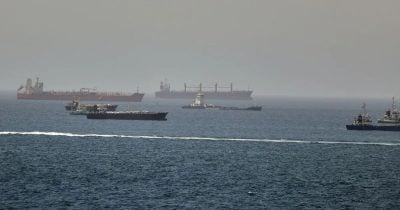
A container ship operated by French shipping giant CMA CGM was attacked in the Strait of Hormuz, an incident that threatens to further inflame already high tensions in the region. The targeted vessel, part of one of the world’s largest shipping lines, came under assault in the narrow waterway that connects the Persian Gulf to the open ocean. Details about the attackers, the extent of damage, and any casualties remain unconfirmed as of Tuesday.
Strategic Chokepoint Under Pressure
The Strait of Hormuz is a vital artery for global energy supplies, carrying roughly a fifth of the world’s oil and a quarter of liquefied natural gas. Any disruption there ripples through international markets, from crude prices to shipping insurance rates. The attack adds to a pattern of maritime incidents that have made the strait a focal point of geopolitical friction, though the specific motive behind this strike is not yet clear. Regional powers have long jostled for influence in the waterway, and the latest escalation will likely renew calls for tighter naval patrols and diplomatic intervention.
CMA CGM’s Role and Response
CMA CGM is a Marseille-based container shipping company that operates hundreds of vessels across global trade routes. The company has not released a statement about the attack, nor confirmed the name of the ship involved or its cargo. Investigators are looking into the incident, and maritime security firms are monitoring the situation. The lack of immediate information leaves shipping clients and insurers assessing potential risks to vessels transiting the strait.
Wider Implications for Shipping
The attack comes at a time when the shipping industry is already grappling with disruptions from regional conflicts and rising operational costs. A direct assault on a commercial vessel in such a sensitive waterway could prompt shipping lines to consider alternative routes, longer voyages, or additional security measures. While the strait remains open for now, the psychological impact on crews and insurers is significant. The incident may also accelerate discussions among governments about securing critical maritime corridors—discussions that have often stalled due to competing interests.
For now, the immediate effect on CMA CGM’s schedules and global supply chains is unclear. What is certain is that the Strait of Hormuz, already a flashpoint, has become even more dangerous for the ships that keep the global economy moving.