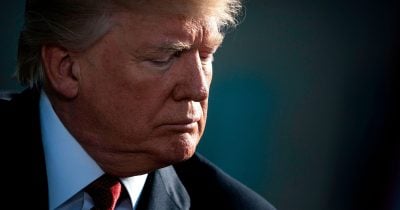
David Sullivan—the former West Ham United chairman long known as the 'king of porn'—is facing fresh accusations of exploitative behavior, with allegations he has a history of boasting about sexual conquests and predatory conduct. The story is dominating UK tabloids, not crypto Twitter. But for traders in privacy coins, this non-crypto scandal could have real consequences. UK regulators, already tightening rules on anonymous transactions, may use the Sullivan case to justify a harder line on privacy coins used in adult entertainment payments—hitting Monero and Zcash hardest.
The Sullivan accusations
Sullivan built a fortune in adult entertainment before taking the helm at West Ham. These aren't new allegations—he's long been criticized for bragging about sexual exploits. But the current spotlight is sharper, with potential legal action looming. The UK's broader #MeToo reckoning hasn't spared football or the sex industry, and Sullivan's profile puts both under scrutiny. For now, the story stays in the sports-and-entertainment pages, but its ripple effects could reach crypto regulation.
📊 Market Data Snapshot
Why privacy coins are in the crosshairs
Adult entertainment has historically been a cash-heavy industry, but crypto payments—especially via privacy coins like Monero—offer anonymity that regulators hate. The UK's Financial Conduct Authority has already floated tougher AML/KYC rules for exchanges handling privacy coins. The Sullivan scandal gives lawmakers a fresh talking point: anonymous payments could enable exploitation by hiding payments for illegal content. That argument could fast-track bans or strict reporting requirements for privacy-focused tokens. Traders holding Monero or Zcash should watch Westminster, not just Market News.
What traders should watch
This event won't move Bitcoin. BTC is stuck between $60k and $65k, with macro headwinds and extreme fear (the Fear & Greed index at 10). But for altcoins tied to privacy, the risk is real. If the FCA announces new restrictions—say, mandatory identity verification for all privacy coin transactions—prices could drop sharply. The UK isn't the whole market, but it's a major hub for crypto-derivative trading, and regulatory signals from London often influence global sentiment. Short-term, reduce exposure to privacy coins. No bullish case here: this is noise for BTC, but signal for Monero.
A blind spot most media will miss
Does David Sullivan or any of his associates hold large crypto positions? Public on-chain data doesn't show it, but if he is a hidden whale in a token, his legal woes could trigger forced selling. Also, West Ham has crypto partnerships—fan tokens, NFT deals—and if those links turn toxic, reputational contagion could hit prices. No one is asking these questions yet. That's the kind of oversight that lazy journalism leaves behind, and it's why this scandal might matter more than the headline suggests.
What comes next: The FCA is scheduled to release updated AML guidance later this month. If the Sullivan story is still hot, expect lawmakers to cite it as evidence that anonymous crypto payments enable exploitation. Privacy coin holders should have an exit plan. The rest of the market can ignore this and focus on Bitcoin's range.