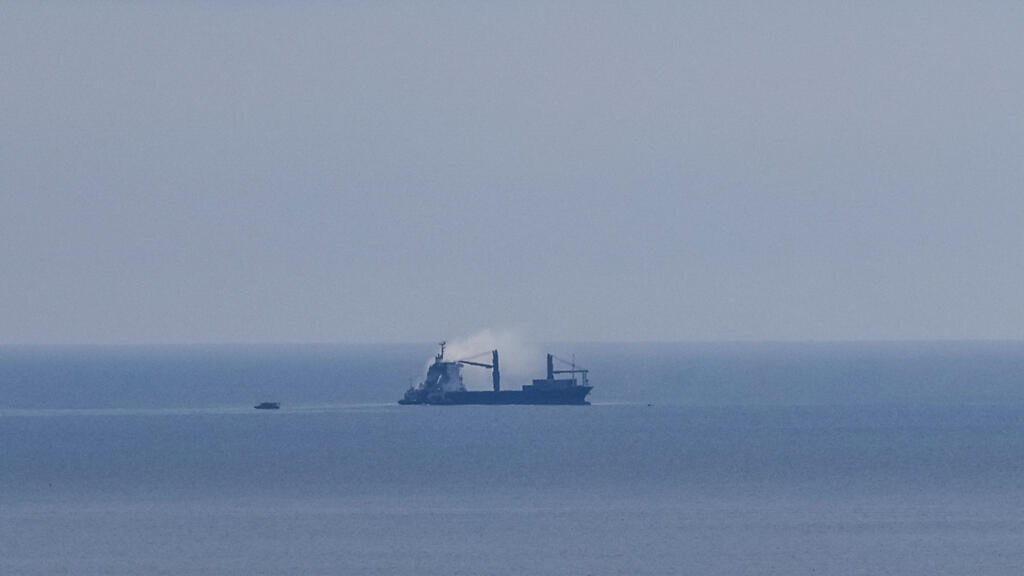
A whale that was the subject of a German rescue operation off the coast of Denmark has been found dead, drawing sharp criticism from wildlife experts who had warned the intervention would cause more distress than good. The incident has zero direct impact on crypto markets, but in a week where Bitcoin is trading near $76,718 and the Fear & Greed index has sunk to 25 (Extreme Fear), the story is being repurposed as an unintended metaphor for well-intentioned market interventions that backfire.
How the rescue went wrong
German authorities launched a rescue operation for a whale that had become stranded near a Danish island. Despite their efforts, the whale was found dead shortly after. Wildlife experts publicly criticized the operation, arguing that the stress of the intervention likely contributed to the animal's death. The exact cause is still unknown, but the sequence is clear: rescue attempt, then death.
📊 Market Data Snapshot
A lesson for crypto whales
In crypto, 'whale' refers to a holder with enough capital to move markets. The parallel drawn by some analysts is hard to ignore: when a large position is at risk, desperate attempts to prop it up — through coordinated buybacks, liquidity injections, or bailouts — can accelerate the collapse. The current market conditions amplify the risk. With the Fear & Greed index at Extreme Fear, any rescue-style intervention in a distressed whale's position could trigger a cascade of liquidations rather than a recovery. The advice from veteran traders: let natural market forces play out.
What the Fear & Greed index is telling you
The real signal this week isn't a dead whale; it's the Fear & Greed index at 25. Historically, readings this low have preceded short-term bounces in Bitcoin — think March 2020 or June 2022. That doesn't guarantee a rally, but it does mean selling into this fear is often a mistake. The whale story is pure noise, and traders who act on it risk missing the contrarian opportunity that extreme fear typically presents. On-chain data like falling exchange reserves — not animal rescue failures — are what actually matter right now.
Who's pushing this story?
Most crypto media will frame the whale death as a cautionary tale about intervention. But there's a subtler risk: if the story gains traction on social media, it could be artificially amplified by bots or influencers looking to stoke panic and distract from real on-chain signals. The source of the narrative matters more than the narrative itself. Without evidence of coordination, it's just a sad animal story. But in an extreme fear market, every bit of bad news gets magnified — whether it's relevant or not.
For now, the market remains range-bound between $74,000 and $78,000, driven by macro fear and a lack of catalysts. The next Fed meeting will be the real test. Until then, the dead whale off Denmark is a reminder that not every rescue attempt ends well — and that sometimes, doing nothing is the smartest move.