The United Arab Emirates reported a drone strike in the vicinity of the Barakah nuclear power plant, the country's first and only nuclear facility. The incident, which occurred without causing any reported damage or injuries, has drawn attention to vulnerabilities in critical infrastructure and the potential risks to energy security and regional stability.
Attack near a sensitive site
Details remain scarce, but the UAE confirmed that a drone was involved in the strike near the plant on the Persian Gulf coast. Barakah, operational since 2020, is a cornerstone of the nation's push to diversify its energy mix away from oil and gas. The site houses four APR-1400 reactors, built by a South Korean consortium, and is designed to meet about a quarter of the country's electricity demand.
Any disruption to operations—even a nearby incident—raises alarms. Nuclear facilities are among the most heavily guarded pieces of infrastructure, but the growing use of small, cheap drones has made perimeter security a global challenge. The UAE's statement did not specify who was behind the attack or what type of drone was used.
Wider implications for critical infrastructure
The strike is not an isolated event. Across the Middle East, drones have been deployed against oil facilities, airports, and military sites in recent years. The Barakah approach puts the spotlight on a new category of target: energy assets that, if hit, could have cascading effects well beyond a single country.
Barakah sits roughly 50 kilometers from the border with Saudi Arabia and is within range of drone operations launched from Yemen, where Houthi rebels have a history of long-range attacks. But the UAE did not attribute the strike to any group. Analysts caution that attributing drone attacks is often difficult without physical evidence or intercepted communications.
Energy security and regional stability
The UAE has positioned itself as a stable energy supplier in a volatile region. Barakah is not just a domestic power source; it's a symbol of technological ambition and non-oil economic growth. A successful attack on or near the plant could undermine investor confidence and strain already tense relations with neighboring states.
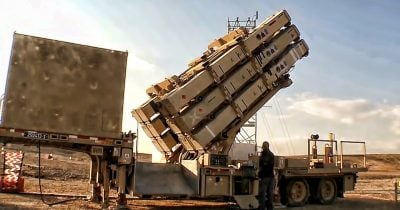
Nuclear safety regulators worldwide will be watching how the UAE responds. The International Atomic Energy Agency has long stressed the importance of protecting nuclear sites from sabotage. The incident is likely to prompt a review of air defense and drone-countermeasure systems around Barakah and possibly other critical facilities in the Gulf.
What remains unclear is whether this was a one-off probe or part of a broader pattern. The UAE has not announced any changes to security protocols at the plant, but the silence suggests serious internal discussions are underway.