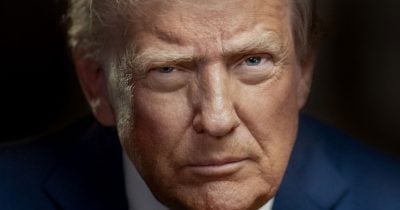
EU lawmakers have thrown their support behind a new transatlantic trade deal, aiming to steady commerce between the two economic blocs. The endorsement comes as former President Donald Trump’s tariff threats continue to loom, raising the risk of renewed friction in global markets.
Why the deal matters now
The agreement is designed to stabilize what has been an increasingly rocky commercial relationship. Europe and the United States together account for nearly half of global GDP, and any disruption between them sends ripples through supply chains and financial systems. By locking in terms for trade in goods, services, and digital commerce, both sides hope to prevent the kind of brinkmanship that erupted during Trump’s earlier term.
The tariff threat that won’t go away
Trump, who lost the 2020 election but remains a powerful force in US politics, has repeatedly called for tariffs on European imports, particularly in sectors like automobiles and aerospace. While he is not currently in office, the possibility that he could return — or that his allies in Congress might push similar measures — has kept European officials on edge. The trade deal, though not a complete shield, is seen as a way to create binding rules that would make future tariff hikes more difficult and costly.
What’s in the agreement
Details of the deal are still being finalized, but the core elements include reducing industrial tariffs, harmonizing regulatory standards, and improving dispute resolution mechanisms. EU lawmakers emphasized that the pact protects European agricultural and cultural sensitivities while opening new opportunities for tech and services exports. The deal also includes provisions on data flows and digital trade, areas where transatlantic tensions have been high.
Next steps
The European Parliament is expected to vote on the final text later this year. If approved, the deal will then go to EU member states for ratification. On the US side, the Biden administration has signaled support, but the political landscape remains uncertain. The trade deal’s long-term viability may ultimately depend on whether Trump — or someone with his trade views — returns to power.