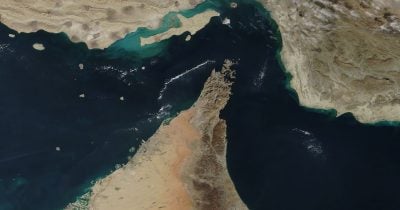
The European Union plans to send a naval deployment to the Strait of Hormuz by June, aiming to ensure safe passage through one of the world's most critical oil transit routes. The move could help stabilize global energy markets that have been rattled by regional tensions.
Why the Strait of Hormuz matters
The narrow waterway between the Persian Gulf and the Gulf of Oman is a choke point for global oil shipments. Roughly a fifth of the world's petroleum passes through it daily. Any disruption—from military conflict to political brinkmanship—can send crude prices soaring. The EU's decision to send warships reflects a recognition that the route's security is a shared economic concern.
Timeline and scope of the EU mission
The deployment is scheduled to begin by June. The EU has not disclosed the exact number of vessels or participating nations. But the mission's stated goal is clear: keep the strait open and safe for commercial shipping. The operation will likely involve patrols, escort duties, and intelligence-sharing among member states. It follows months of rising tensions in the region, including attacks on tankers and the seizure of commercial vessels.
Potential impact on energy markets
Safe passage through the Strait of Hormuz is a linchpin of global energy supply. When the route is threatened, insurers raise premiums, shippers reroute cargoes, and oil futures spike. The EU deployment aims to reduce that uncertainty. If successful, it could temper price volatility and reassure import-dependent economies, particularly in Europe and Asia. But the mission's effectiveness will depend on how it is received by regional powers and whether other navies join the effort.
The European Union has set June as the target for the deployment. Further operational details are expected in the coming weeks.