The UN Food and Agriculture Organization (FAO) has issued a stark warning: a prolonged closure of the Strait of Hormuz could trigger a global food price crisis that would leave 45 million people vulnerable. The crisis would hit the Global South hardest, according to the agency.
The warning comes amid rising geopolitical tensions around the strategic waterway, through which a significant portion of the world's oil and grain shipments pass. While the FAO did not specify a timeline for the hypothetical closure, it urged governments and international bodies to prepare for potential disruptions.
Why the strait matters for food security
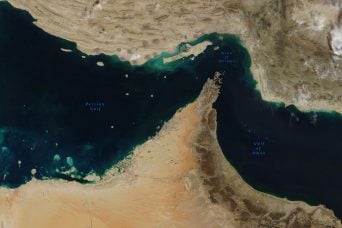
The Strait of Hormuz is a narrow chokepoint connecting the Persian Gulf to the open ocean. A prolonged closure would block a major route for food imports to countries already struggling with high prices and supply chain issues. The FAO's analysis suggests that even a temporary shutdown could send global food prices soaring, particularly for staple grains and vegetable oils.
The impact wouldn't be uniform. Nations that rely heavily on food imports from the region would face immediate shortages. But the FAO's focus is on the ripple effects — price spikes that could make basic foods unaffordable for millions of households in the Global South.
Who faces the biggest risk
The 45 million people most at risk live in low-income, food-deficit countries across Africa, Asia, and Latin America. Many of these nations already grapple with malnutrition, poverty, and fragile food systems. A price shock would push them deeper into crisis, the FAO warned.
The agency did not name specific countries, but noted that vulnerable populations — including smallholder farmers, urban poor, and displaced communities — would bear the brunt. The crisis would likely worsen existing inequalities, as wealthier nations could afford to stockpile or bid up supplies.
What the warning means
The FAO's statement is a preemptive call for action, not a prediction of imminent disaster. It highlights a vulnerability that has long been recognized but rarely addressed: the global food system's dependence on a handful of maritime chokepoints.
No concrete plan was announced alongside the warning. The FAO urged governments to diversify trade routes, build strategic reserves, and invest in local food production. But for the 45 million people who could be affected, these are long-term solutions to a threat that could materialize suddenly.
The international community now faces an unresolved question: how to protect the most vulnerable from a crisis that, while hypothetical, carries devastating consequences.