The United States has issued an ultimatum to Iran, a move that is already fueling instability across the Middle East and undercutting chances for a diplomatic resolution. The demand, delivered through diplomatic channels, has intensified military tensions and left little room for the kind of engagement that could de-escalate the long-running standoff.
Why the ultimatum matters
For weeks, diplomats had been cautiously optimistic about reopening talks. That window now appears closed. The ultimatum effectively sets a deadline for Iran to comply with U.S. demands, and failure to do so will likely trigger consequences. While the exact terms haven't been made public, the effect is clear: the region is bracing for a possible confrontation.
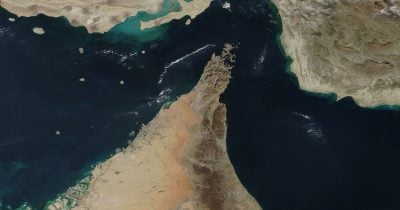
Neighboring states are watching closely. The heightened instability risks spilling across borders, affecting oil shipments, trade routes, and already fragile security arrangements. For countries that rely on a stable Gulf, the ultimatum is a worrying sign.
Military tensions on the rise
Increased military readiness is the most immediate consequence. Both the U.S. and Iran have signaled they are prepared for a range of scenarios. The U.S. has naval assets in the region, and Iran has its own missile and proxy capabilities. Without a diplomatic off-ramp, the risk of miscalculation grows.
Previous rounds of escalation have shown how quickly a skirmish can turn into a broader crisis. This time, the dynamic is especially dangerous because the ultimatum leaves little time for back-channel talks. The prospects for peace, already thin, have shrunk further.
What diplomatic engagement looks like now
Diplomatic tracks that were being explored have stalled. The ultimatum replaced negotiation with a demand. Even mediators who had been shuttling between Washington and Tehran now face a much harder task. The room for compromise has all but vanished.
The United Nations and European Union have called for restraint, but their appeals carry less weight when one side has issued a hard deadline. Without direct talks, the default is confrontation.
Unanswered questions
What happens after the ultimatum's deadline expires remains undefined. The U.S. has not specified what military or economic steps it will take if Iran refuses. That ambiguity adds another layer of tension. Iran, for its part, has not publicly responded to the demand, but its leaders have previously said they will not negotiate under threats.
For now, the region waits. The next few weeks will determine whether the ultimatum leads to a negotiated outcome, a military clash, or a long, grinding standoff with even higher stakes.