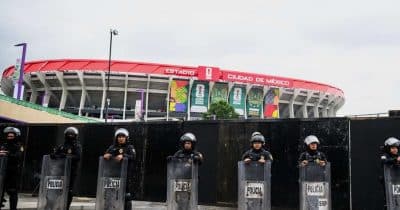
FIFA will host free fan fests in 16 cities across North America during the 2026 World Cup, the organization announced this week. The events are designed to give fans without tickets a chance to watch matches in a communal setting, but the varying costs and logistics from city to city could mean the experience looks very different depending on where you are.
The 16 host cities and the fan-zone plan
The 16 cities span the United States, Canada and Mexico. FIFA said it will set up large public viewing areas with big screens, food vendors and entertainment. The fan fests are free to enter, a deliberate move to keep the World Cup accessible to people who can't afford match tickets or travel to stadiums. Ticket prices for the 2026 tournament haven't been released yet, but previous World Cups saw resale prices climb into the thousands of dollars.
Why costs and logistics matter
The promise of free entry only goes so far. Each host city sets its own regulations for public gatherings, permits, security and alcohol sales. That means the cost of organizing a fan fest could differ sharply from one municipality to the next. In some cities, local governments might cover the bill or provide public space at no charge. In others, FIFA or the local organizing committee may have to pay for permits, police overtime, street closures and cleanup.
Those costs can trickle down to fans indirectly. A city that charges high fees for a public park permit might need to charge vendors more, which could push up the price of food and drinks inside the fan zone. A city with strict noise ordinances may limit how late the festival can run, cutting short the viewing of evening matches. Transportation costs also vary: a fan in a city with good public transit might pay a couple of dollars to get to the fan fest, while a fan in a car-dependent city could face parking fees or longer commutes.
The gap between the haves and have-nots
FIFA's stated goal is democratization, but the uneven playing field among host cities could create winners and losers. A fan in a city with a generous municipal budget and existing festival infrastructure might get a polished experience with multiple screens, shaded seating and cheap concessions. Another fan in a city with tight budgets and complex permitting might find a basic setup with long lines and few amenities.
The disparity isn't just about comfort. It's about access. If one city's fan fest is far from downtown or poorly served by transit, low-income fans who rely on buses might struggle to get there at all. Meanwhile, a fan in a wealthy neighborhood near a central plaza could walk over and watch the game for free.
What happens next
FIFA has not released detailed budgets or per-city breakdowns for the fan fests. The 16 host cities are expected to finalize their plans over the next year, and each will have to negotiate with FIFA on cost-sharing. Some cities have already begun preliminary discussions about security and infrastructure. The real test will come when the first matches kick off in June 2026, and fans show up to find out whether their city's free party is a feast or a bare-bones affair.