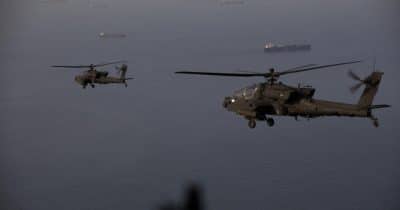
The United States carried out airstrikes on Iran this week, striking back after a helicopter attack that raised the temperature in an already tense region. Oil prices jumped almost immediately, and the surge hasn't stopped — the broader market jitters are now bleeding into cryptocurrency, where traders are bracing for more swings. The strikes, confirmed by US officials on June 10, mark a serious escalation in a conflict that's been building for months.
What triggered the US strikes
The trigger was a helicopter attack that US officials say was launched from Iranian territory. Details on casualties are still thin, but the White House called it an "unacceptable act of aggression" and ordered strikes within hours. Tehran vowed retaliation, though no further military moves have been reported yet. The speed of the US response caught many off guard — analysts had expected diplomatic channels to be tried first.
Oil pushes higher, risk assets wobble
Brent crude broke past $90 a barrel within hours of the news, and it's stayed there. That's a direct hit for countries still wrestling with inflation. But the effect isn't limited to oil. Global equity markets dipped, and crypto wasn't spared. Bitcoin dropped about 4% in the afternoon session, and altcoins followed. Liquidity thinned out on major exchanges, with some order books showing wide spreads — a sign of uncertainty, not panic, but ugly enough.
Crypto markets feel the pressure
Cryptocurrency traders are used to volatility, but geopolitical shocks like this one hit differently. Risk-off sentiment tends to push money out of speculative assets, and crypto has been behaving more like a risk-on play than a safe haven this year. On Tuesday, selling was broad but not catastrophic — total market cap fell by around 5% before recovering slightly. Some traders pointed to the lack of a clear catalyst beyond the strikes, meaning the move could be short-lived. Others worry that if oil stays elevated, central banks might stay hawkish, keeping crypto under pressure.
What comes next
The immediate question is whether Iran will counterstrike. A tit-for-tat escalation could push oil into triple-digit territory, and that would be bad for just about every market — crypto included. There's also the risk of supply chain disruption in the Gulf, which would compound the economic jitters. For now, the US says it's not seeking a wider war, but the strikes have changed the calculation. Traders will be watching the Strait of Hormuz, Iran's next move, and the next oil inventory report. The crypto market might be a sideshow in a conflict like this, but it won't escape the fallout.