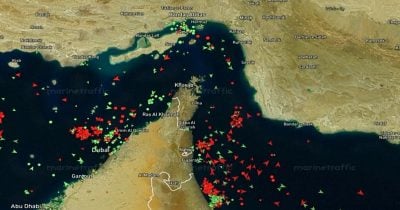
The deaths of four Israeli soldiers in a Hezbollah drone strike inside Lebanon have dealt a serious blow to already fragile ceasefire negotiations. The attack, which occurred amid ongoing skirmishes along the border, raises the stakes for both sides and heightens the risk of a broader regional conflict.
The Attack and Its Toll
The drone strike targeted a military position, killing four IDF soldiers. Hezbollah, the Iran-backed militant group, has been trading fire with Israeli forces for months. This incident marks one of the deadliest single attacks on Israeli troops since the escalation began. The IDF confirmed the deaths but provided no further details on the location or timing of the strike.
The attack is a sharp reminder that the conflict is far from contained. For Israel, the loss of four soldiers in one strike is a painful blow that could shift military calculations. For Hezbollah, it’s a demonstration of capability—precision drone strikes that can penetrate Israeli defenses.
Ceasefire Prospects Fade
The escalation significantly reduces the chances of a ceasefire being agreed upon anytime soon. Diplomatic efforts led by the United States and France had shown some progress in recent weeks. But this strike changes the equation. Israeli officials are likely to demand stronger guarantees and a tougher response before returning to the table. Hezbollah, meanwhile, shows no sign of backing down.
Negotiations were already stuck on issues like buffer zones and the withdrawal of fighters from the border area. Now, with fresh casualties on the Israeli side, any deal will be harder to sell domestically. The political will for compromise is evaporating.
Broader Regional Risks
The drone strike doesn’t just endanger the Israel-Lebanon front. It threatens to drag in other actors. Iran, Hezbollah’s main patron, has been watching closely. Israeli leaders have warned they won’t tolerate a Hezbollah missile arsenal on their border. Any large-scale Israeli retaliation could spill over into Syria or even direct confrontations with Iranian forces.
The US has already moved naval assets closer to the region. Other countries, including Saudi Arabia and the UAE, have urged restraint but have also signaled concern about a wider war. The risk of miscalculation is high. A single misstep—an errant rocket, a misidentified target—could ignite a conflict that draws in multiple nations.
What Happens Next
The coming days will test whether diplomatic channels can survive this blow. International envoys are expected to press both sides for restraint, but the momentum for a ceasefire is gone for now. The IDF is weighing its response. Options range from limited strikes inside Lebanon to a broader operation. Hezbollah is bracing for retaliation while claiming the attack was a legitimate act of resistance.
The question now is whether both sides can step back from the brink—or if this strike will prove to be the spark that sets the region ablaze.