Iran is testing a more confrontational strategy, according to recent assessments. The shift in approach risks destabilizing regional security and could potentially derail diplomatic progress. Analysts are also watching for possible effects on global oil markets.
What the new strategy involves
Details remain sparse, but the move marks a departure from earlier, more cautious Iranian postures. Officials familiar with the matter describe the approach as deliberately provocative, though no specific actions have been publicly confirmed. The strategy appears designed to test the limits of international response.
Regional security at risk
Neighboring states have expressed concern that the more aggressive line could spark a cycle of retaliation. The risk of miscalculation is high, particularly in areas where Iranian proxies operate. Any escalation would threaten fragile ceasefires and ongoing humanitarian efforts in conflict zones.
Diplomatic progress in jeopardy
Talks aimed at de-escalation and broader regional agreements have been making slow headway. Iran's confrontational turn could undermine those channels. Negotiators from other countries have not yet commented publicly, but private briefings suggest growing frustration.
Oil market implications
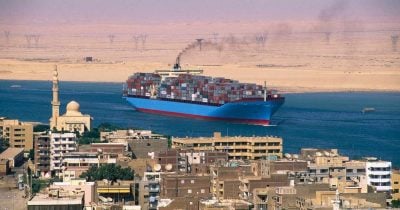
Global oil markets are sensitive to any disruption in the Persian Gulf. A sustained period of heightened tension could push prices higher, affecting economies worldwide. Traders are already factoring in a risk premium, though no supply disruptions have been reported so far.
The next test will come when Iran's actions become clearer in the coming weeks. Whether diplomatic channels can absorb the pressure or whether the situation escalates remains an open question.