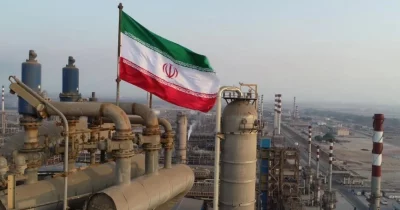
Iran has asserted control over the Strait of Hormuz, barring any US weapons from passing through the strategic waterway. The move, announced without a formal statement from Tehran's leadership, immediately ratchets up tensions in a region already on edge.
Why the Strait Matters
The Strait of Hormuz is a narrow chokepoint connecting the Persian Gulf to the open ocean. Roughly a fifth of the world's oil moves through it each day — tankers carrying crude from Saudi Arabia, Iraq, the UAE, Kuwait, and Iran itself. Any disruption there sends shockwaves through global energy markets. By claiming the right to stop US weapons shipments, Iran is testing the limits of maritime law and the willingness of other nations to push back.
Global Energy Markets Under Pressure
Oil prices haven't yet spiked, but traders are watching closely. Even the threat of a blockade can push up insurance rates for tankers and shift shipping routes to longer, costlier paths. If Iran follows through on blocking vessels carrying military cargo for the US, it could set a precedent. Other countries might worry their own commercial ships could be next. The potential for supply disruptions is real — especially for nations heavily reliant on Gulf oil.
Regional Stability at a Crossroads
Iran's assertion of control doesn't just affect the US. Neighboring Gulf states, many of which host US military bases, now face a harder choice: publicly back Washington's right to navigate freely, or hedge their bets to avoid antagonizing Tehran. The Strait is also a vital route for natural gas from Qatar, a major US ally. Any escalation could pull in more actors, turning a maritime standoff into a broader regional crisis.
The immediate next step is unclear. The US Navy's Fifth Fleet, based in Bahrain, has operated in the region for decades. How it responds to Iran's claim will determine whether this remains a diplomatic dispute or escalates into a direct confrontation. No timeline for a reply has been given, but the clock is ticking.