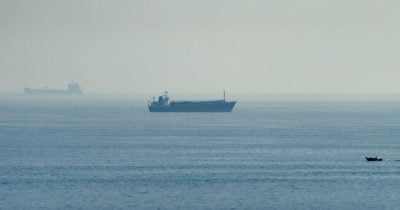
Iran's joint military command has claimed that the Strait of Hormuz is closed, a move that would threaten a fifth of the world's oil shipments. But the United States isn't buying it. Vice President JD Vance said Monday that the U.S. sees no evidence of a shutdown and believes the waterway remains open for traffic.
The claim from Tehran
The assertion came from Iran's joint military command, which oversees the country's armed forces. No details were provided about how the closure was enforced or for how long it would last. The strait, a narrow passage between the Persian Gulf and the Gulf of Oman, is a critical chokepoint for oil tankers. Roughly 21 million barrels of crude pass through it daily, making any disruption a major geopolitical event.
Iran has threatened to block the strait in the past during periods of tension, but has rarely followed through. The current claim appears to be a rhetorical escalation, though military analysts caution that the situation could change rapidly.
Washington's rebuttal
Vance pushed back hard. He said the U.S. has seen no indication that commercial shipping has been stopped or that naval patrols have encountered any obstacles. “We believe the strait remains open,” he told reporters, without offering specifics on how that conclusion was reached.
The Pentagon has not issued a separate statement, but the Vice President's words carry weight. The U.S. Navy's Fifth Fleet, based in Bahrain, regularly transits the strait and would be the first to report a closure. So far, no such report has been made.
What the betting markets say
Traders on Polymarket, a prediction platform, give the closure claim a 58.5% probability of being false by July 31. That means the market sees it as more likely than not that the strait will stay open through the end of the month. The odds have shifted slightly since the claim was made, but not dramatically — suggesting that many bettors view Tehran's statement as bluster.
Oil prices have not spiked, another sign that the market is skeptical. Brent crude traded at $72 a barrel on Monday, roughly flat from the previous session. A real closure would almost certainly send prices soaring.
The next few days will be telling. If the U.S. releases satellite imagery or shipping data confirming normal traffic, the claim will fade. If Iran follows up with actual naval maneuvers, the standoff could escalate. For now, the world waits to see which version is true.