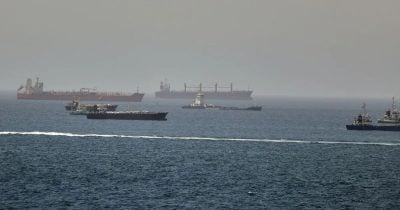
Iran has claimed its forces struck US destroyers in the Strait of Hormuz, a strategic waterway through which about a fifth of the world's oil passes. The assertion, made without independent verification, comes amid already heightened tensions that have put global energy markets on edge and raised the specter of a broader military confrontation.
The claim and the context
Iranian state media reported that the Islamic Revolutionary Guard Corps targeted American warships operating in the Strait of Hormuz. No details were given on the method of attack or the extent of damage. The US military has not confirmed any strike on its vessels, and the Pentagon declined to comment on the Iranian claim. The incident, if confirmed, would mark a significant escalation in a region where US and Iranian forces have shadowed each other for months.
The Strait of Hormuz, a narrow channel between Iran and the Arabian Peninsula, is a chokepoint for crude oil tankers. Any disruption there can quickly affect global supply. Tensions have been building for weeks, with Iran stepping up naval patrols and the US repositioning assets in the Gulf. This latest claim adds a new layer of uncertainty for oil traders already watching the region closely.
Oil markets on alert
Crude oil prices have been volatile in recent days, and the Iranian claim threatens to push them higher. A real or perceived blockade of the Strait of Hormuz could cut off shipments from Saudi Arabia, Iraq, Kuwait, the United Arab Emirates, and Iran itself. Analysts have warned for years that any clash in the strait would send oil prices soaring, though the actual impact depends on how quickly the situation is contained. The market is now pricing in a risk premium that could rise if the US responds militarily.
The risk of wider conflict
Beyond oil, the incident increases the likelihood of broader military engagement. Iran and the US have fought a shadow war of proxy attacks, cyber operations, and maritime harassment, but a direct strike on US naval forces would cross a clear threshold. Washington has repeatedly said it will defend its forces and ensure freedom of navigation. If the claim is true, a retaliatory strike—or a series of them—could follow, drawing in regional allies and spreading instability across the Middle East.
The situation remains fluid. The US military is likely assessing the veracity of the Iranian claim while preparing for any escalation. No independent confirmation has emerged, and the Strait of Hormuz remains open to commercial traffic for now. The next hours will tell whether this is a propaganda move or the opening shot of a more dangerous confrontation.