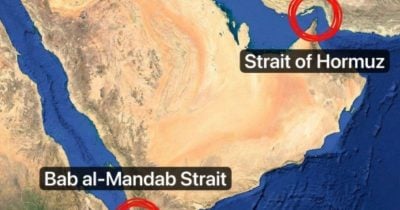
Iran has shut down the Strait of Hormuz, a narrow waterway that carries about a fifth of the world's oil, as the conflict between the United States and Israel escalates. The move immediately sent shockwaves through global energy markets and raised the specter of a broader regional war. The closure, announced without a timeline for reopening, leaves traders and governments scrambling to assess the damage.
Why the Strait of Hormuz Matters
The strait is a chokepoint between the Persian Gulf and the Gulf of Oman. Roughly 17 million barrels of crude oil pass through it every day — that's nearly 20% of global consumption. For countries like Japan, India, and South Korea, the waterway is a lifeline. Any disruption, even a brief one, can send prices spiking and supply chains into chaos. Iran's decision to close it is the most aggressive move yet in the current confrontation.
Oil Market Instability
The closure exacerbates an already volatile oil market. Prices had been climbing on fears of a wider Middle East war. Now, with the strait effectively blocked, analysts expect further jumps. The facts don't give specific numbers, but the pattern is clear: every previous closure or threat of closure — from the Iran-Iraq war in the 1980s to the 2019 tanker attacks — triggered price surges. This time, the context of a direct US-Israel conflict makes the situation even more unpredictable.
Geopolitical Tensions and Economic Uncertainty
The move heightens geopolitical tensions across the region. Iran's action is a direct challenge to the United States and its allies, who have long guaranteed freedom of navigation through the strait. The US Navy's Fifth Fleet, based in Bahrain, has not yet responded publicly. Economic uncertainty is spreading beyond oil. Shipping insurance rates are likely to spike, and countries that rely on Gulf crude are already looking for alternatives. The closure also threatens to disrupt liquefied natural gas shipments from Qatar, a major exporter.
No one knows how long the closure will last. Iran has not set conditions for reopening. The US and Israel have not announced a military response. For now, the world waits — and watches the price at the pump.