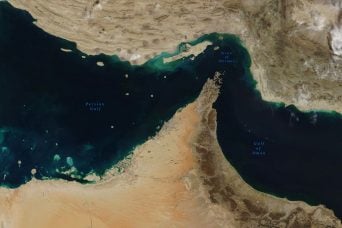
Iran has shut down the Strait of Hormuz, the narrow waterway that carries a huge share of the world's crude oil, as fighting between the United States and Israel escalates. The move immediately threatens to disrupt global energy supplies and pushes an already volatile region closer to the brink.
Why the Strait Matters
The Strait of Hormuz is a vital artery for global energy trade. Every day, tankers hauling oil from the Persian Gulf states pass through this chokepoint. The closure means that much of that crude now can't reach refineries and buyers abroad. The disruption hits at a time when many economies are still wrestling with high inflation and fragile supply chains.
Escalation in the US-Israel Conflict
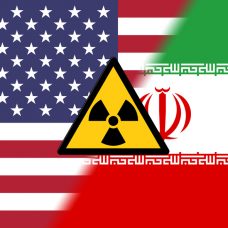
The closure follows a sharp escalation in hostilities involving the United States and Israel. Details of the recent fighting remain sparse, but the move by Iran signals that the conflict is no longer contained to airstrikes or diplomatic exchanges. By closing the strait, Tehran has injected a direct economic weapon into the confrontation.
Global Economic Fallout
With the strait shut, oil prices are expected to spike almost immediately. Countries that rely heavily on Gulf crude — including many in Asia and Europe — face the prospect of fuel shortages and higher costs. The knock-on effects could ripple through transportation, manufacturing, and heating costs, adding fresh uncertainty to an already unsettled global outlook.
Regional Stability at Risk
The closure also raises the risk of a wider regional conflict. Neighboring states that depend on the strait for their own exports, like Saudi Arabia and the UAE, may feel pressure to respond. Any miscalculation could draw in other powers and turn a tense standoff into open confrontation. The Strait of Hormuz has been a flashpoint before, but never in the context of a direct US-Israel-Iran triangle this hot.
What happens next depends on how quickly the major importers and the international community react. Diplomatic channels are likely to be strained, and military options are never far from the discussion. For now, the strait remains closed, and the world waits to see who blinks first.