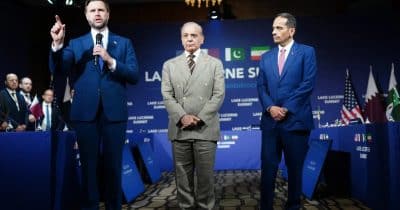
Iran has shut down the Strait of Hormuz, the narrow waterway that carries about a fifth of the world's oil, just as US and Iranian negotiators sat down in Switzerland for rare face-to-face talks. The move ratchets up geopolitical pressure in a region already on edge, and it threatens to send shockwaves through global energy markets.
Why the Strait Matters
The strait is a chokepoint. Roughly 17 million barrels of crude move through it every day. Closing it doesn't just raise the price of gasoline—it rewires the entire oil trade. Tankers that would normally head for the Persian Gulf are now idle. Buyers from Asia to Europe are scrambling for alternatives, but there aren't many. The closure could quickly destabilize markets that were already tight.
A Diplomatic Gamble
The timing is deliberate. Tehran chose to close the strait as its envoys sat down with US representatives in Bern. That's a signal: Iran is willing to talk, but it's also ready to use its most powerful economic weapon. The talks themselves are a big deal—direct US-Iran negotiations have been rare over the past decade. But this opening comes with the strait closed, and that makes any deal harder to reach.
What's at Stake for Oil
Global oil prices haven't reacted yet, but analysts say that won't last. A prolonged closure would force the US to release strategic reserves and push Saudi Arabia to pump at maximum capacity. Neither option is easy. The Saudis have their own tensions with Iran, and releasing reserves is a short-term fix. If the closure drags on, the economic toll could be severe.
International Reaction
Other governments are watching closely. Europe depends on Persian Gulf oil. India and China are major customers. The United Nations has called for restraint, but there's no mechanism to force the strait open. The US Navy's Fifth Fleet is based in Bahrain, but a military response would risk a wider conflict nobody wants.
The Talks in Bern
The talks are continuing behind closed doors. Neither side has released details. One thing is clear: Iran wants something in exchange for reopening the strait. The US wants the closure lifted before it will negotiate on sanctions. That standoff is the core of the current crisis. No deadline has been set for the talks, but the longer the strait stays shut, the more urgent they become.