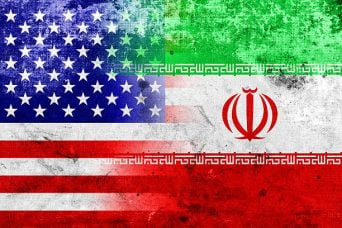
Iran has asserted permanent control over the Strait of Hormuz, a strategic waterway where about a fifth of the world's oil passes. The declaration, made by Iranian officials, could escalate tensions in the region and disrupt global energy markets. It also raises the possibility of a U.S. military response.
Why the Strait matters
Every day, roughly 17 million barrels of crude oil and petroleum products move through the narrow channel between the Persian Gulf and the Gulf of Oman. That's more than 20% of global consumption. For Saudi Arabia, Iraq, the United Arab Emirates, Kuwait, and Qatar, the strait is the only practical route to export oil to Asia, Europe, and the Americas. Iran's claim to permanent control isn't new in rhetoric, but the timing and insistence have drawn attention from shipping companies and energy traders.
Iran has historically threatened to close the strait during disputes, but a full assertion of permanent control would be a step beyond past posturing. The government in Tehran argues the waterway falls within its territorial rights, a position other Gulf states reject.
Energy markets on edge
Oil prices have already moved higher on the news. Brent crude futures jumped more than 3% in early trading as traders priced in the risk of supply disruptions. If Iran follows through with inspections, delays, or blockages, the effect could ripple through global supply chains. Refiners in Asia, which rely heavily on Gulf crude, would be especially exposed.
The International Energy Agency hasn't commented publicly, but analysts inside the agency are reportedly reviewing contingency plans. Strategic petroleum reserves, held by the U.S. and other major consumers, could be tapped if shipments are interrupted. But those reserves are designed for short-term emergencies, not a prolonged closure.
Possible U.S. military responses
The Pentagon has maintained a naval presence in the region for decades, with the Fifth Fleet based in Bahrain. A U.S. official, speaking on condition of anonymity, told the Associated Press that the military is reviewing options. They range from increased surveillance and escort missions for commercial tankers to direct strikes on Iranian coastal defenses or naval assets.
Any American military action would require approval from the White House, and the political calculus remains unclear. A confrontation could draw in allied navies from the UK, France, and others, but also risk a wider conflict that neither side appears to want. Iran's Revolutionary Guard Corps has invested heavily in anti-ship missiles, fast-attack boats, and mines, making any U.S. operation messy.
The United Nations Security Council has not scheduled a meeting on the matter, though diplomats say informal discussions are underway. Iran's permanent mission to the UN did not respond to a request for comment.
What comes next
For now, the Strait of Hormuz remains open and commercial shipping continues under heightened alert. The next test will come if Iran attempts to board or divert a foreign-flagged vessel. That moment would force the U.S. and its allies to decide whether to respond with force or seek diplomatic off-ramps. No timeline has been given for any U.S. decision, but the Pentagon's review is expected within days.