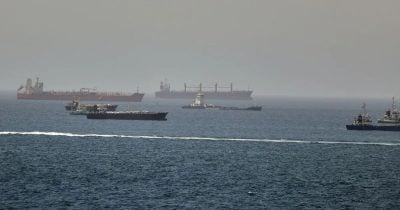
Iran has moved to make vessel passage restrictions through the Strait of Hormuz permanent, a decision that deepens tensions with the United States and threatens to destabilize global oil markets. The move, announced amid ongoing disputes over Tehran's nuclear program and US sanctions, effectively turns what were temporary measures into an indefinite policy. The strait is a critical chokepoint, carrying about a fifth of the world's oil shipments.
The Strait's Strategic Significance
The Strait of Hormuz connects the Persian Gulf to the Arabian Sea and is the only sea passage for oil tankers leaving Kuwait, Iraq, Saudi Arabia, Qatar, Iran, and the United Arab Emirates. Roughly 17 million barrels of crude oil pass through daily, making it the world's most important maritime chokepoint. Any sustained disruption forces tankers onto longer, costlier routes around the Arabian Peninsula, raising insurance costs and delivery times.
A History of Tensions
Iran has long threatened to block the strait in response to US pressure, but previous restrictions were temporary and tied to specific incidents. The permanent status signals a shift in strategy. The US Navy's Fifth Fleet operates in the region, and Washington has repeatedly warned that any blockade would be considered a hostile act. The new policy comes as indirect talks between Washington and Tehran over the nuclear deal remain stalled.
Oil Markets on Edge
Crude oil prices have already climbed in recent weeks, and traders are expected to price in a risk premium on supplies from the region. The permanent restrictions could force refineries worldwide to seek alternative sources, including from the US, Africa, and the North Sea. That shift would take months to arrange and would likely push energy costs higher for consumers and industries already grappling with inflation.
Uncertainty Over Implementation
Iranian authorities did not specify how the restrictions will be enforced or what types of vessels will be affected. Some reports suggest the measures target only tankers flagged to countries that support US sanctions. Others warn of broader inspections and delays. Shipping companies are reviewing their contracts and insurance policies, but no formal rerouting has been announced. The international community is watching for the next move from Washington, which has yet to publicly respond.