The United Arab Emirates has formally left OPEC, a move that reshapes its foreign policy as it builds closer alliances with the United States and Israel. The decision comes at a time of heightened tensions with Iran and threatens to disrupt global oil supply routes, according to analysts watching the region.
A Strategic Realignment
The UAE's departure from the oil cartel isn't just about production quotas. Over the past few years, the country has steadily strengthened diplomatic and economic ties with Washington and Jerusalem. The Abraham Accords, signed in 2020, normalized relations with Israel. Military cooperation with the US has deepened, with American bases in the Emirates hosting fighter jets and naval assets. That alignment puts the UAE in direct opposition to Iran, which backs militant groups across the Middle East and has long clashed with Gulf Arab states.
Leaving OPEC clears a path for the UAE to set its own crude output levels without consulting the cartel. It also signals that Abu Dhabi is betting on a Western-aligned future, not one tied to the traditional OPEC framework dominated by Saudi Arabia and Iran. The shift isn't subtle: the UAE wants to be seen as a reliable partner for the US and Israel, even if that means breaking with longtime OPEC allies.
Oil Supply Routes Under Strain
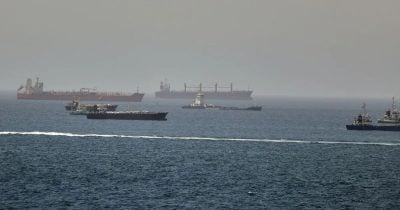
The UAE is a major oil exporter, pumping about 3 million barrels per day. Its exit from OPEC could inject volatility into already tight markets. The Strait of Hormuz, a chokepoint for about a fifth of the world's oil, sits right off the UAE's coast. Any increase in regional instability—and Iran has threatened to block the strait in the past—could disrupt tanker traffic. Without OPEC's coordinated production caps, the UAE might ramp up output, adding supply but also triggering price wars or retaliation from other producers.
Global oil traders are watching closely. If the UAE starts pumping more, it could push prices down. But if Iran responds militarily—say, by harassing tankers or launching strikes on UAE infrastructure—the opposite would happen. The country's new freedom of action introduces a wild card into global energy markets.
Geopolitical Tensions Escalate
The UAE's decision isn't happening in a vacuum. Iran has been expanding its nuclear program and arming proxies in Yemen, Syria, and Iraq. The UAE has already been targeted by Houthi drone attacks, which Tehran backs. By leaving OPEC, the Emirates is essentially telling Iran that it won't coordinate oil policy with a hostile state. That's a provocative stance, and it risks drawing the UAE deeper into a proxy conflict.
Meanwhile, Saudi Arabia and Russia have been trying to keep OPEC+ together. The UAE's exit weakens that alliance and could encourage other members to defect. Iraq, Kuwait, and others are watching. If the cartel fractures, the Middle East's ability to manage global oil supply fractures too.
One big question remains: How will Saudi Arabia react? Riyadh has long been OPEC's de facto leader, and losing the UAE is a blow. The two countries have had differences over production levels, but a formal split could strain bilateral relations. With the US pushing for normalization between Israel and Saudi Arabia, the UAE's move might accelerate—or complicate—those talks.
For now, the UAE is charting its own course. It's a bet that closer ties with Washington and Jerusalem offer more security and economic opportunity than staying in a cartel that includes its chief rival. Whether that bet pays off depends on how the region's fault lines shift—and whether the oil market can handle the shakeup.