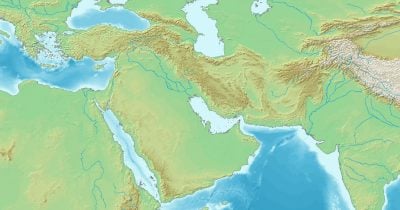
Iran has proposed ending its ongoing conflict and reopening the Strait of Hormuz, presenting the offer during peace talks with the United States. The move could calm global oil markets and reduce geopolitical tensions that have simmered for months. But unresolved issues between the two sides threaten to undercut any lasting agreement.
The core of the offer
Iranian officials said the proposal includes a halt to hostilities and the full resumption of maritime traffic through the Strait of Hormuz. The waterway is a critical passage for oil tankers and other commercial vessels. Its closure earlier this year had sent shockwaves through energy markets and raised fears of a broader regional conflict.
The offer comes as part of direct negotiations between Tehran and Washington. The United States has not yet issued a formal response, but the talks are ongoing.
A reopened Strait of Hormuz would allow oil shipments to flow freely again, potentially lowering prices and easing supply concerns. Analysts have pointed to the strait's role in global energy security, and the proposal could provide immediate relief to import-dependent economies. However, the actual impact will depend on how quickly the reopening can take effect and whether other disruptions persist.
The unresolved hurdles
Despite the diplomatic opening, deep disagreements remain. The facts indicate that unresolved issues could hinder long-term peace. Those issues include questions over sanctions, regional influence, and the future of Iran’s nuclear program. Neither side has detailed the specific sticking points, but the gap between their positions has historically been wide.
The success of the proposal now hinges on the next steps in the negotiation process. Without a broader framework to address those lingering differences, the current offer risks becoming a temporary fix rather than a durable solution.