Iran is shifting its diplomatic focus toward peace talks and stepping back from nuclear negotiations, a move that could reshape regional power dynamics and the course of future international engagements. The change in priority signals a recalibration of Tehran's foreign policy, though specifics of the new peace initiative remain unclear.
Why the shift matters
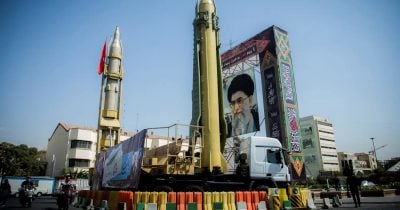
The decision to deprioritize nuclear talks marks a notable change in direction. For years, Iran's nuclear program dominated its diplomatic agenda, often setting the tone for its relationships with Western powers and neighbors. Now, the emphasis on peace talks suggests a broader strategic reassessment, one that could open new channels for dialogue or complicate existing ones.
Regional power dynamics at play
The shift is likely to alter how other countries in the region position themselves. Iran's nuclear ambitions had long been a central concern for Gulf states and Israel, driving alliances and military postures. With peace talks taking precedence, those calculations may change. But whether that reduces tensions or creates new uncertainties depends on the content and credibility of the peace agenda.
Unanswered questions in diplomacy
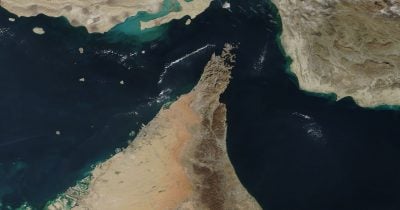
It's not clear what form these peace talks will take or which parties might be involved. The move could be aimed at reducing conflicts in places like Syria, Yemen, or the broader Persian Gulf region. It also raises questions about the status of ongoing nuclear negotiations with world powers, including the Joint Comprehensive Plan of Action revival efforts. For now, diplomats are left watching for concrete proposals and official statements.
Observers are waiting to see how this shift affects the next round of international meetings on Iran, and whether the peace track will find traction where the nuclear track stalled.