Iran is preparing to blockade the Strait of Hormuz, a move that could ignite a broader regional conflict and jolt global oil markets. The plan, confirmed by sources familiar with Iranian military positioning, comes as tensions across the Middle East have risen sharply in recent weeks.
What a blockade would mean for global oil
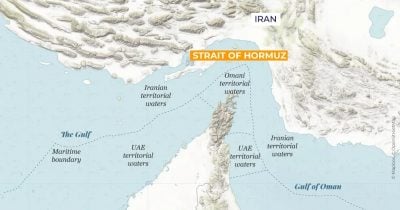
The Strait of Hormuz is a narrow chokepoint connecting the Persian Gulf to the open ocean. About a fifth of the world's oil passes through it every day. A blockade would effectively cut off crude shipments from key producers like Saudi Arabia, Iraq, Kuwait, and the United Arab Emirates.
That's not a minor disruption. It's the kind of supply shock that could send prices soaring and trigger emergency stockpile releases from consumer nations. Analysts inside the U.S. Energy Information Administration have flagged the strait as the world's most critical oil transit route for decades. A blockade would test that assessment.
Why Iran might take the risk
Iran has threatened to close the strait before — during the Iran-Iraq war in the 1980s and again in 2012 over Western sanctions. Each time, it backed down under military pressure. This time feels different. Regional alliances have shifted, and Tehran appears to calculate that the cost of inaction outweighs the risk of a direct confrontation.
The blockade plan is part of a broader strategy to pressure adversaries, particularly the United States and Israel, without launching a full-scale war. But it's a high-wire act. Any Iranian attempt to stop a tanker could be met with immediate retaliation, drawing in navies from multiple countries.
Peace prospects take a hit
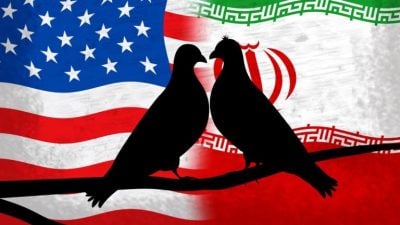
Diplomatic efforts in the region were already fragile. The blockade plan makes them nearly impossible, at least for now. Mediators from Qatar and Oman have privately warned that any military escalation would derail talks on everything from Yemen to Iran's nuclear program.
Hindering peace doesn't mean war is inevitable. It means the window for negotiation has narrowed. The question now is whether Washington and its allies can respond with enough deterrence to force Iran back from the edge, or whether the region slides into a cycle of retaliation that nobody can control.
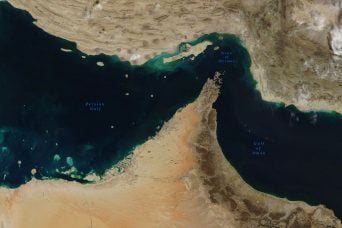
The next 72 hours are critical. Satellite imagery shows Iranian vessels repositioning near the strait. Whether they actually move to block shipping lanes remains the unresolved question — one with consequences that stretch far beyond the Persian Gulf.