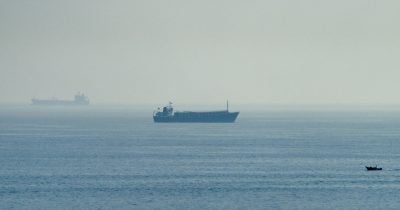
Iran has proposed taking control of the Strait of Hormuz, a move that directly challenges the United States' maritime dominance in the region and threatens to reshape the security and energy landscape. The proposal, if realized, could destabilize regional security and disrupt the flow of oil through one of the world's most critical shipping lanes.
The Proposal
The exact details of Iran's proposal have not been made public, but the intent is clear: Tehran wants authority over the strait, which currently operates under a framework that includes significant U.S. naval presence. The move would mark a major shift in the balance of power in the Persian Gulf, where the United States has long played the role of guarantor of safe passage.
Control of the strait would give Iran a say in what passes through those waters. That's a change that goes beyond mere navigation rights. It would put Tehran in a position to influence oil shipments and military movements alike.
Why the Strait Matters
The Strait of Hormuz is a narrow waterway between Iran and Oman, connecting the Persian Gulf to the Gulf of Oman and the open sea. A substantial portion of the world's oil exports moves through the strait, making it a chokepoint for global energy supplies. Any disruption could send oil prices climbing and create ripple effects across economies worldwide.
The strait is also a transit route for liquefied natural gas and other goods. But oil is the commodity that makes it strategically vital. Roughly a fifth of global oil consumption passes through Hormuz, according to industry estimates. That figure underscores why the proposal has drawn attention.
Impact on U.S. Influence
For decades, the U.S. Navy has patrolled these waters, ensuring that shipping remains unimpeded. Iranian control would undercut that presence, reducing Washington's ability to project power in the region. It would also give Tehran leverage over oil shipments, a lever that could be used in diplomatic standoffs.
The proposal, if accepted, would represent a clear setback for U.S. policy in the Middle East. The United States has relied on naval superiority in the Gulf to deter aggression and keep sea lanes open. Handing the strait to Iran would remove that cornerstone of its regional posture.
Risks to Regional Security
The proposal comes at a time of heightened tensions in the Middle East. If Iran were to assume control, it could embolden other nations to challenge existing maritime arrangements, potentially leading to confrontations. The risk of miscalculation is high, and the consequences of any incident in the strait would be felt globally.
Iran's move is also a direct challenge to the U.S. Navy's freedom of navigation operations. Those operations have been a point of friction for years, and the proposal could escalate that friction into a broader crisis. Neighboring countries with coastlines on the Gulf would likely view any Iranian takeover as a threat to their own interests.
The proposal has not been formally acknowledged by the United States or other nations, and no timeline has been announced for a response. How the international community chooses to address Iran's bid for control of the strait will determine whether this remains a diplomatic overture or a catalyst for conflict.