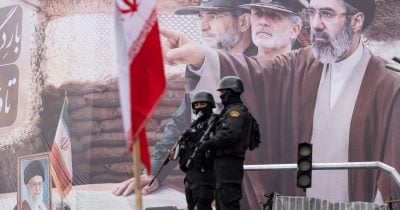
Iran has dismissed any possibility of offering the Trump administration a diplomatic win over the Strait of Hormuz, keeping its blockade threat firmly in place. A prediction market now estimates a 43% probability that the blockade will end by August 31, 2026 — a figure that underscores how uncertain the timeline remains.
Tehran's Position Unchanged
Iran's government has made clear it won't back down on its stance regarding the Strait of Hormuz. Officials have denied Trump any face-saving victory, maintaining that the threat of a blockade stays on the table. No recent negotiations or statements suggest a shift in position.
What the Prediction Market Says
The 43% probability from the prediction market is not a sure thing. It reflects a divided outlook among traders: a near coin-flip chance that the blockade threat lifts within roughly two years. That's the only concrete timeline the market offers — no official deadline from Iran or the U.S. has been set.
The Strait of Hormuz is a critical chokepoint for global oil shipments. Any blockade would disrupt energy markets and trigger broader economic fallout. Iran's refusal to concede keeps that risk alive, even as the prediction market suggests a resolution isn't imminent — but not impossible either.
The standoff shows no signs of easing. Without a diplomatic breakthrough or a unilateral shift from Tehran, the blockade threat will persist. The next real date to watch is August 31, 2026 — that's when the prediction market's clock runs out, and the world will see if the odds held up.