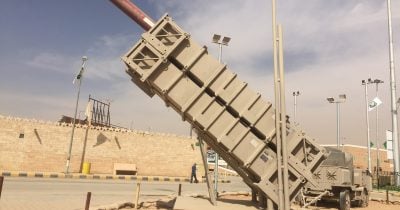
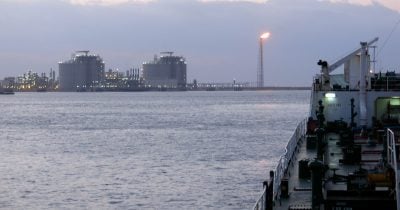
Iran has rebuilt its missile arsenal to full operational capacity, a development that directly increases the likelihood of military confrontation with the United States and threatens to destabilize global oil markets, according to defense and security assessments.
Restoration follows period of degraded capability
The restoration marks a significant shift after a period during which Iran's missile forces were believed to be operating at reduced effectiveness, due to a combination of sanctions, technical challenges, and past Israeli or US strikes. Intelligence reports now indicate that Iran’s missile production and deployment have returned to pre-degradation levels, giving Tehran a wider range of options for long-range strikes.
Risk of US military escalation grows
The renewed capability directly increases the danger of a US military escalation in the region. Pentagon planners have long viewed Iran’s missile force as the primary asymmetric threat to US bases, naval assets, and allies in the Middle East. With the arsenal restored, any future skirmish or proxy conflict could more quickly draw in direct American firepower. The White House has not yet issued a formal statement, but officials are believed to be reviewing contingency plans.
Geopolitical tensions already running high
This development arrives at a moment of already elevated geopolitical tensions. Iran’s nuclear program remains under scrutiny, and negotiations over a renewed nuclear deal have stalled. The restored missile capability adds a new layer of complexity, particularly for Gulf states that host US forces. Regional allies are likely to press Washington for stronger security guarantees, while adversaries may see an opportunity to test US resolve.
Potential shift in US military posture
US military strategies could be altered as a result. The Pentagon may accelerate the deployment of missile defense systems, adjust force rotations, or expand intelligence-sharing with Israel and Gulf partners. There is also the possibility of a more aggressive posture, including preemptive strikes on missile sites, though such a move carries its own escalatory risks. No decisions have been announced, but internal assessments are being updated.
Global oil markets on edge
The impact on global oil security is the most immediate economic concern. Iran sits near the Strait of Hormuz, a chokepoint through which about a fifth of the world’s oil passes. A restored missile capability gives Tehran more credible threats to shipping lanes or regional oil infrastructure. Traders are already pricing in a risk premium, and any sign of actual confrontation could send crude prices sharply higher. The International Energy Agency has not yet issued a formal alert, but monitoring has intensified.
The question now is how the Biden administration will respond — and whether the restored arsenal leads to a new round of sanctions, covert action, or direct military engagement. No timetable for a formal US policy shift has been announced.