Iran launched attacks on US military bases in the Gulf region early this week, dramatically escalating a simmering standoff. The strikes hit multiple installations, though the scope of damage remains unclear. The attack puts diplomatic efforts to cool the conflict on shaky ground and risks further destabilizing an already volatile region.
Attacks hit multiple US installations
The targets included at least two bases in Gulf states where the US maintains a military presence. Iran used a mix of drones and missiles, according to a brief statement from US Central Command. No US personnel were killed, but the military reported several injuries and structural damage. The Pentagon said it is evaluating the damage and preparing a response.
Iran’s state media framed the strikes as retaliation for what it called “recent provocations” by the US. The White House condemned the assault and promised to “hold Iran accountable.” But officials did not detail any specific countermeasures.
Diplomatic efforts thrown into doubt
The escalation threatens to derail months of behind-the-scenes diplomacy aimed at reducing tensions in the Gulf. Regional mediators—including Qatar and Oman—had been shuttling between Washington and Tehran. Those channels now face collapse. The attack also puts Gulf Arab states in a difficult spot. Some host US bases but also maintain economic ties with Iran. They fear being caught between the two powers.
The United Nations Security Council scheduled an emergency session. Diplomats expect sharp divisions between Western nations, which will likely condemn the attack, and Russia and China, who may block any strong resolution.
Global economic and military repercussions
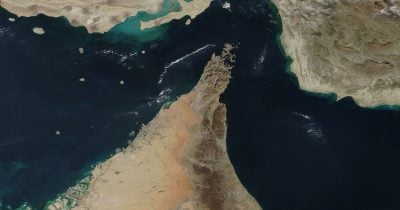
The Gulf region is a chokepoint for global oil shipments. Any disruption in the Strait of Hormuz could send energy prices soaring. Trading desks in London and Tokyo were already pricing in a risk premium on crude futures Tuesday morning. Military strategists say the attack changes the calculus for force deployments in the Middle East. The US may now have to reinforce its Gulf footprint, drawing resources from other theaters like Europe and the Pacific.
The timing is critical. The US had been shifting focus toward competition with China. A renewed military commitment in the Gulf could pull attention and budget away from that effort.
What comes next is hard to predict. The White House has not announced a timeline for retaliation. Tehran, meanwhile, warns that any US response will be met with further strikes. The region waits.