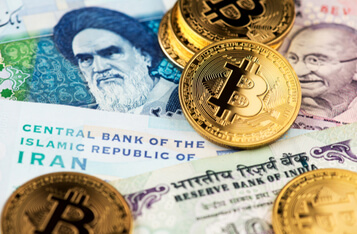
Iran has suspended welfare payments as the country's economy buckles under mounting pressure, with the government choosing to funnel resources into military spending instead. The decision, confirmed by officials in Tehran, marks a sharp shift in budget priorities that could deepen public anger and further stall already fragile nuclear talks.
Why welfare payments were cut
The suspension affects millions of Iranians who relied on state subsidies and cash transfers to cover basic needs. Economic strain — driven by international sanctions, inflation, and a weak rial — has left the government with fewer options. Rather than cut military outlays, authorities opted to halt welfare disbursements. The move signals that defense and security spending remain the top priority, even as ordinary citizens struggle with soaring prices for food and medicine.
Domestic fallout
Cutting welfare risks igniting unrest in a country where protests over economic hardship have flared repeatedly in recent years. The 2019 fuel price hikes, for example, sparked nationwide demonstrations that security forces crushed violently. Now, with welfare payments gone, many families face an even tighter squeeze. Analysts tracking social conditions inside Iran say the policy shift may heighten domestic unrest, though the government has not publicly acknowledged that risk. No official has commented on how the government plans to manage potential backlash.
Impact on nuclear diplomacy
The welfare suspension also complicates diplomatic efforts. Iran has been negotiating with world powers to revive the 2015 nuclear deal, but the new budget priorities reduce prospects for a breakthrough. Western negotiators have long argued that Iran must address its economic problems through diplomacy, not military expansion. By doubling down on defense spending while cutting social programs, Tehran signals it is not ready to compromise. The move could harden positions on both sides, making a return to the deal even less likely.
For now, the question is whether Iran's leadership can sustain both its military ambitions and social stability. With welfare payments gone and no relief in sight, the pressure on ordinary Iranians — and on the government itself — is only growing.