Iran has targeted a US-flagged vessel near Qatar, an attack that threatens to rattle global oil markets and escalate an already tense standoff in the Strait of Hormuz. The incident, which occurred amid heightened military posturing in the region, marks the latest direct challenge to American maritime assets in the strategic waterway.
What Happened Off the Qatari Coast
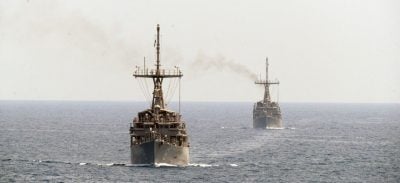
According to details emerging from the region, Iranian forces engaged a US-flagged ship in the vicinity of Qatar. The exact nature of the attack—whether it involved a missile, drone, or small boat harassment—has not been fully disclosed. What is clear is that the strike targeted a vessel flying the American flag, a deliberate provocation in one of the world’s most vital chokepoints for oil shipments.
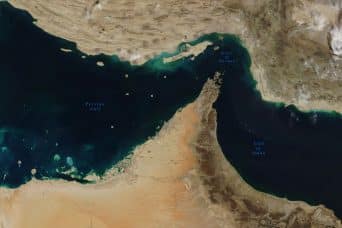
The location matters. Qatar sits on the western side of the Persian Gulf, close to the entrance of the Strait of Hormuz. Any hostile action here instantly threatens the narrow passage through which roughly 20 million barrels of oil pass daily—about a third of all seaborne crude. The US Navy’s Fifth Fleet, based in Bahrain, routinely patrols these waters, but this incident suggests Iran is willing to test those patrols directly.
Why the Strait of Hormuz Remains a Flashpoint
The Strait of Hormuz links the Persian Gulf to the Gulf of Oman and the open ocean. For decades, Iran has threatened to close the strait if its interests are challenged—by sanctions, military pressure, or diplomatic isolation. Though Tehran has never followed through, it has repeatedly harassed commercial and military vessels in the area. This attack on a US-flagged ship is among the most aggressive moves in recent memory.
Regional instability feeds directly into global oil prices. Traders immediately began pricing in a risk premium after news of the incident broke. If the strait were to be disrupted—even partially—the impact would be felt at gas pumps worldwide within days. The US and its allies have naval assets positioned to keep the waterway open, but a direct confrontation could spiral quickly.
Geopolitical Fallout and Next Moves
The attack exacerbates tensions that have been building since the US withdrew from the nuclear deal and reimposed sanctions. Iran has been looking for ways to retaliate, and targeting a US-flagged ship sends a clear message: it can disrupt regional stability at will. The US administration has not yet announced a formal response, but options range from increased naval patrols to airstrikes on Iranian launch sites.
Diplomatic channels remain open, but the window for de-escalation is narrowing. Qatar, which hosts a major US airbase and has its own complex relationship with Iran, now finds itself in the middle of a confrontation it did not invite. The incident also tests the limits of international maritime law, which guarantees freedom of navigation through the strait.
Questions now turn to how the US and its allies will respond to this latest provocation. With no official statement yet from Washington, the shipping industry and oil markets are left to watch the next move—and brace for what could become a much wider conflict in the Gulf.